❄️ Refined Expressions for Upper-Intermediate Learners (B2) ❄️
Moving Beyond Basic Winter Words
In our previous guide on winter vocabulary, we explored essential terms such as snow, ice, and cold — the foundational words that allow learners to describe the season clearly and confidently.
(You can revisit that guide here → Part 1)
But winter offers much more than basic descriptions.
At a higher level, language becomes more precise. The season is no longer just cold — it becomes bleak. The wind is not simply strong — it is piercing or biting. Streets are not empty — they feel desolate.
This guide expands your winter vocabulary with more expressive and nuanced terms, helping you describe atmosphere, sensation, and emotional contrast with greater depth and accuracy.
🌬️ Winter Vocabulary – Part 2 (B2 Level)
1. Frost
IPA: /frɒst/
Spanish: escarcha
Definition: A thin layer of ice crystals that forms on surfaces in cold weather.
Example: Frost covered the rooftops early in the morning.
Translation: La escarcha cubría los techos temprano por la mañana.
2. Overcast
IPA: /ˈəʊvəˌkɑːst/
Spanish: nublado / cubierto
Definition: Completely covered with clouds.
Example: The sky remained overcast all day.
Translation: El cielo permaneció cubierto todo el día.
3. Bleak
IPA: /bliːk/
Spanish: desolado / sombrío
Definition: Cold, empty, and depressing in appearance.
Example: The landscape looked bleak and lifeless.
Translation: El paisaje se veía desolado y sin vida.
4. Barren
IPA: /ˈbærən/
Spanish: árido / sin vegetación
Definition: Unable to produce plants; empty and bare.
Example: The trees stood barren against the grey sky.
Translation: Los árboles permanecían sin hojas contra el cielo gris.
5. Desolate
IPA: /ˈdesələt/
Spanish: desolado / abandonado
Definition: Empty and without people; giving a feeling of loneliness.
Example: The streets were desolate after the snowstorm.
Translation: Las calles estaban desoladas después de la tormenta de nieve.
6. Harsh
IPA: /hɑːʃ/
Spanish: severo / riguroso
Definition: Extremely cold or difficult to endure.
Example: It was a harsh winter in the mountains.
Translation: Fue un invierno riguroso en las montañas.
7. Flurries
IPA: /ˈflʌriz/
Spanish: ráfagas de nieve / nevada ligera
Definition: Light snowfall that lasts for a short time.
Example: Snow flurries began in the afternoon.
Translation: Comenzaron algunas ráfagas de nieve por la tarde.
8. Icy
IPA: /ˈaɪsi/
Spanish: helado / cubierto de hielo
Definition: Covered with ice or extremely cold.
Example: The roads were icy and dangerous.
Translation: Las carreteras estaban heladas y peligrosas.
9. Biting wind
IPA: /ˈbaɪtɪŋ wɪnd/
Spanish: viento cortante
Definition: Very cold wind that causes discomfort.
Example: A biting wind made it difficult to walk.
Translation: Un viento cortante hacía difícil caminar.
10. Piercing
IPA: /ˈpɪəsɪŋ/
Spanish: penetrante
Definition: Extremely sharp or intense (often used for cold or wind).
Example: The piercing air stung his face.
Translation: El aire penetrante le ardía en el rostro.
11. Numb
IPA: /nʌm/
Spanish: entumecido
Definition: Unable to feel because of cold.
Example: My fingers went numb in the cold.
Translation: Mis dedos se entumecieron por el frío.
12. To shiver
IPA: /ˈʃɪvə(r)/
Spanish: tiritar
Definition: To shake slightly because of cold.
Example: She began to shiver without her coat.
Translation: Comenzó a tiritar sin su abrigo.
13. To thaw
IPA: /θɔː/
Spanish: descongelarse
Definition: To melt after being frozen.
Example: The lake started to thaw in early spring.
Translation: El lago comenzó a descongelarse a principios de primavera.
14. Cozy / Cosy
IPA: /ˈkəʊzi/
Spanish: acogedor
Definition: Warm, comfortable, and protected from the cold.
Example: They stayed inside their cozy cabin.
Translation: Se quedaron dentro de su cabaña acogedora.
15. Snug
IPA: /snʌɡ/
Spanish: cómodo y abrigado
Definition: Warm and comfortable, especially in a small space.
Example: The children felt snug under the blankets.
Translation: Los niños se sentían cómodos y abrigados bajo las mantas.
16. Woolen / Woollen
IPA: /ˈwʊlən/
Spanish: de lana
Definition: Made of wool.
Example: She wore a thick woolen scarf.
Translation: Llevaba una bufanda gruesa de lana.
17. Steaming
IPA: /ˈstiːmɪŋ/
Spanish: humeante
Definition: Producing visible vapor.
Example: He held a steaming cup of coffee.
Translation: Sostenía una taza de café humeante.
18. Hearth
IPA: /hɑːθ/
Spanish: hogar (zona de la chimenea)
Definition: The floor of a fireplace; symbol of warmth and home.
Example: The dog slept near the hearth.
Translation: El perro dormía cerca del hogar.
19. To brace oneself
IPA: /breɪs wʌnˈself/
Spanish: prepararse / armarse de valor
Definition: To prepare physically or mentally for something difficult.
Example: She braced herself against the cold wind.
Translation: Se preparó contra el viento frío.
20. To endure
IPA: /ɪnˈdjʊə(r)/
Spanish: soportar
Definition: To suffer something difficult patiently.
Example: The villagers endured months of freezing temperatures.
Translation: Los habitantes soportaron meses de temperaturas bajo cero.
❄️ A Winter Scene
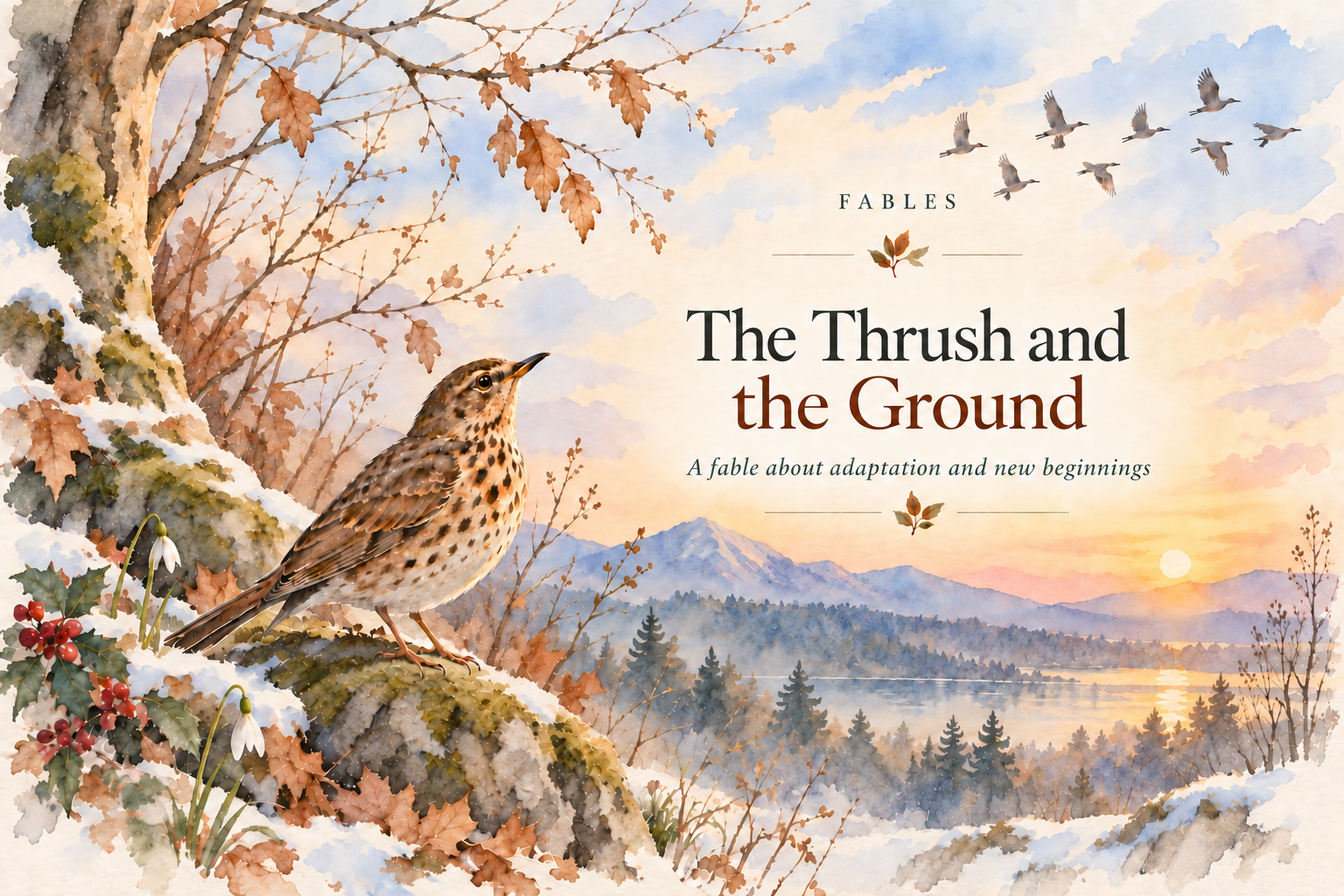
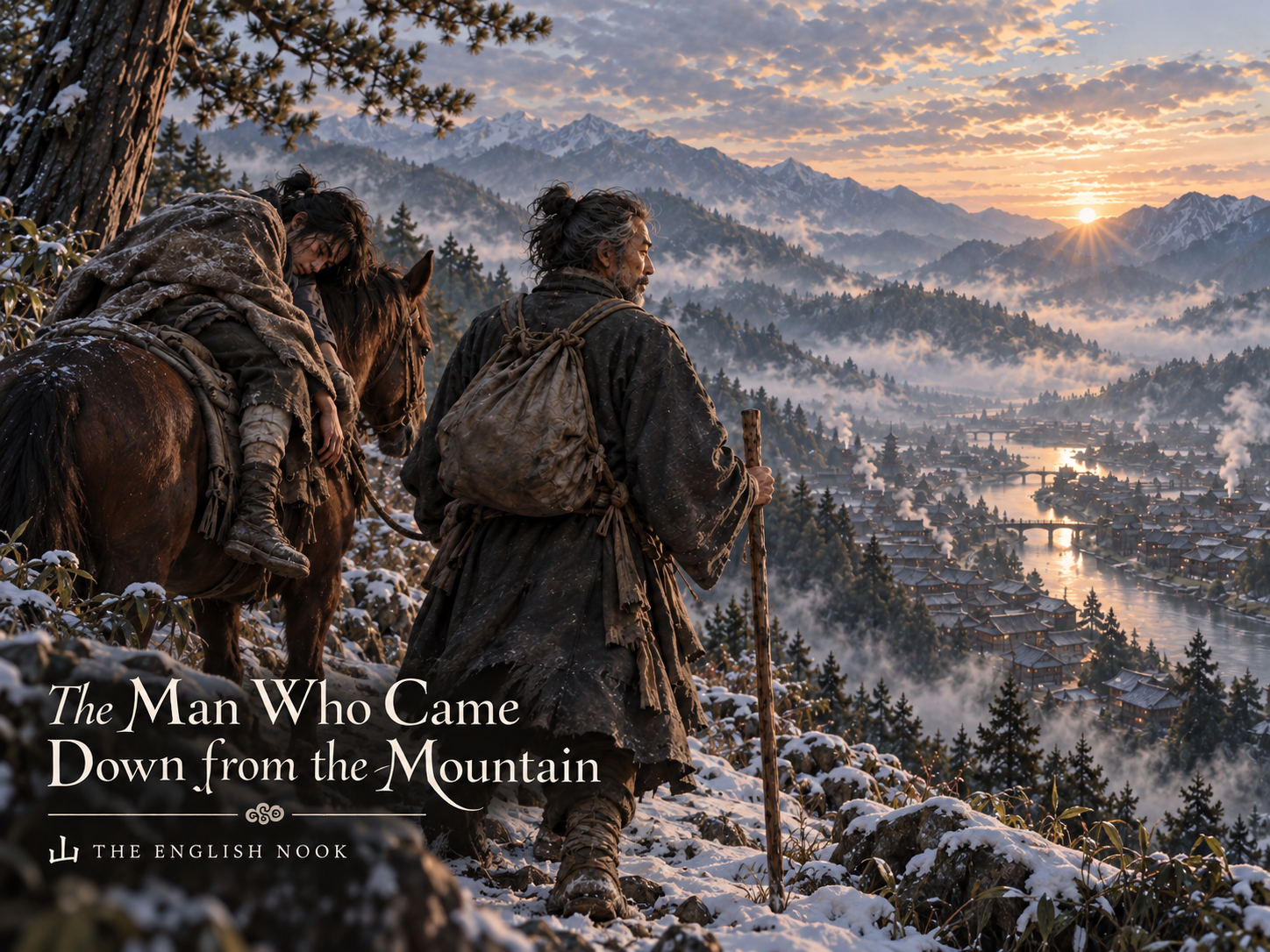
The sky was overcast, and a piercing wind swept across the barren fields. Frost clung to the rooftops, and the streets felt desolate after the storm. I braced myself against the biting cold, but my hands soon went numb. Inside, however, the atmosphere was completely different — a cozy fire burned in the hearth, and a steaming mug waited on the table. After enduring the harsh weather outside, the warmth felt almost unreal.
❄️Un escenario de invierno
El cielo estaba cubierto, y un viento penetrante recorría los campos áridos. La escarcha se aferraba a los techos, y las calles se sentían desoladas después de la tormenta. Me preparé contra el frío cortante, pero pronto mis manos se entumecieron. Sin embargo, dentro la atmósfera era completamente distinta: un fuego acogedor ardía en el hogar y una taza humeante esperaba sobre la mesa. Después de soportar el clima riguroso afuera, el calor parecía casi irreal.
❄️ From Cold to Nuance
At B1 level, winter is simply cold and snowy.
At B2 level, winter becomes bleak, piercing, desolate — or unexpectedly cozy.
The difference is not the season.
The difference is your vocabulary.
Now challenge yourself:
Can you write your own winter paragraph using at least five of these expressions?
Language grows when precision grows.
Winter is not only landscape — it is sensation.

Si has leído todo, por favor considera dejar un “me gusta”, compartir, comentar, ¡o hacer las tres cosas!
¿Necesitas ayuda con tu aprendizaje de inglés? Ve a la sección de contacto y envíame un mensaje; ¡te responderé lo antes posible para ayudarte!
TAMBIÉN TE INTERESARÁ: