









“The mind is not a vessel to be filled, but a fire to be kindled.”
— Plutarch
Lastest posts
-

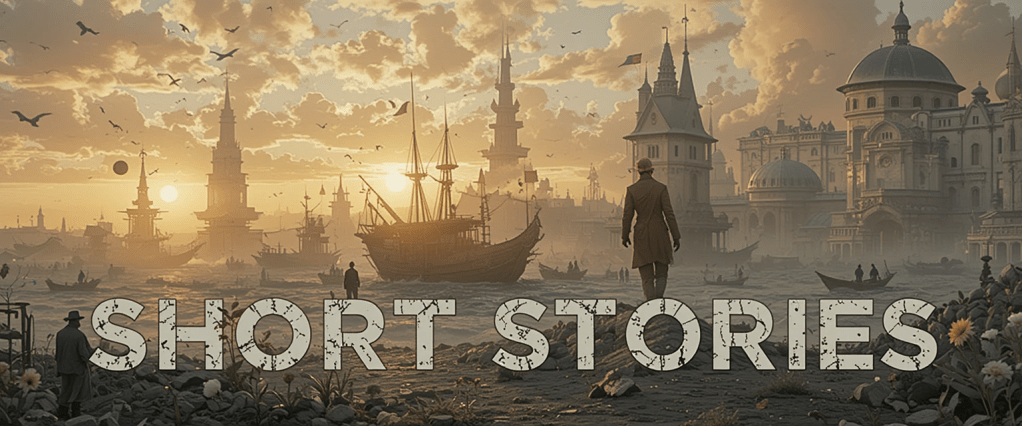
Short Stories: The Island Made of Wishes
Built grain by grain, Miriwisp’s island rose from traded kindness. Each small wish—warm leaves, safe paths, gentler winds—became sand beneath grateful feet. The fairy proved planning can rival magic: when wishes are modest and fair, joy accumulates, quietly forming a place where rest feels earned, by patient hands, hopeful hearts.
Click here to see the last 24 posts!
- Short Stories: Rooms That Do Not Answer

- Vocabulario de Filosofía y Conceptos Abstractos en Inglés–Español

- La Proximidad Lingüística: un Puente y una Trampa en el Aprendizaje de Idiomas

- Cuentos Cortos: Aroma a Memoria

- El Lenguaje del Planeta: Vocabulario de Paisajes Naturales en Inglés-Español

- Short Stories: The Fairy Who Forgot the Dawn

- Why the IPA Matters (and Why Your Ears Will Thank You)

- Vocabulario Clave sobre Protestas y Movimientos Sociales

- Cuentos Cortos: Leónidas, o el Serio Inconveniente de Haber Nacido Gato

- Vocabulario de Entrevistas de Trabajo en Inglés–Español – Parte 2

- Short Stories: Salt for the Mirror

- Polyglot Minds: How Speaking More Than One Language Reshapes the Brain

- Cuentos Cortos: Cuando el Cuerpo Volvió, pero la Mente No

- Unusual Words and Phrases of 2025: Mapping Language in Motion

- Short Stories: The Dark Moon’s Shine

- December 2025 Wrap-Up

- Crossing the Threshold: A New Year Written in New Words

- The Pause Between Years: How Language Lives at the Edge of Time

- Cuentos Cortos: La Noche en que la Navidad se Detuvo a Escuchar

- Short Stories: The Night Santa Tried the Front Door

- Cuentos Cortos: La Luz que no Pidió Permiso

- Short Stories: The Ash Man of Blackpine Wood

- Participial Adjectives (Adjectives from Verbs)

- When an Interview Doesn’t Lead to a Job: Turning Rejection into Growth

MAIN GROUPS OF POSTS
🏴
ENGLISH GRAMMAR
All posts for basic and intermediate learners – grammar and vocabulary posts
🇬🇧
ENGLISH READINGS
All posts for more advanced English learners
🇪🇸
CASTELLANO
Spanish language learners
Empower Your English Journey
Dive into this regularly updated blog, offering valuable grammatical insights, reading practice, and vocabulary expansion. Utilize these resources to elevate your English proficiency and achieve linguistic excellence, especially if Spanish is your native language.
Additionally, you can now also study Spanish here, expanding your linguistic skills and opening up even more opportunities for communication and understanding.
THE WORD OF THE DAY
Dislocation
/ˌdɪs.loʊˈkeɪ.ʃən/
Origin:
From Latin dislocare (“to place apart”), entering English in the 17th century.
Definition:
A feeling of being out of place, spatially or emotionally.
Example:
“He experienced emotional dislocation.”
WHAT HAPPENED ON THIS DAY?
On January 30, 1907

Birth of Jun Takami (1907–1965)
The Writer Who Entered English Through Psychological Precision
On this day — January 30, Jun Takami is remembered for his indirect yet meaningful influence on English literary thought through translation, comparative literature, and cross-cultural reading. As a major voice of the Shōwa period, his psychologically rich prose and poetry entered English mainly through scholarly and literary mediation, shaping how English-language readers engage with modern Japanese literature.
Takami’s work expanded the thematic horizons of English literary discourse by offering nuanced explorations of interiority, alienation, and humanist ethics. His restrained style and moral seriousness challenged English readers and critics to reconsider assumptions about modernism, selfhood, and narrative voice, particularly outside Western frameworks.
His lasting relevance within English-language criticism lies in how his writing supports dialogue between traditions. Takami’s reception in English underscores the role of translation in extending the expressive and analytical capacity of English, reminding us that the language evolves not only through native voices, but through sustained encounters with other literary worlds.
Also on this Day!

READINGS GROUPED BY TOPICS
NEWEST SECTIONS!
In the British English vs. X section, we’ll explore how English varies across regions, including American, Scottish, Indian, Australian, and more, giving you a deeper understanding of the language’s diversity.
MONTHLY REVIEWS
Your Language Learning Recap
Catch up on the last three monthly reviews, where English and Spanish learners alike can find everything they need to stay on track.
From grammar tips to captivating stories, vocabulary builders, and engaging readings, these wrap-ups have it all.
Plus, if you want to explore even more, you can click here to check out reviews from previous months!


Subscribe to the Newsletter!
You’ll get the posts right to your email as soon as they are published!
You will get a monthly recap as well! :O
–Your email will solely be utilized for these specific purposes-
POSTS:
– Reading in English
– English Grammar/English-Spanish Vocabulary
– Spanish Learner Reading
– Short Story
– Cuento Corto (Short Story in Spanish)






 The English Nook