
Monthly Wrap-Up — May 2026
When Nature Became a Language
Some months are defined by a topic.
Others are defined by a pattern that only becomes visible when we look back.
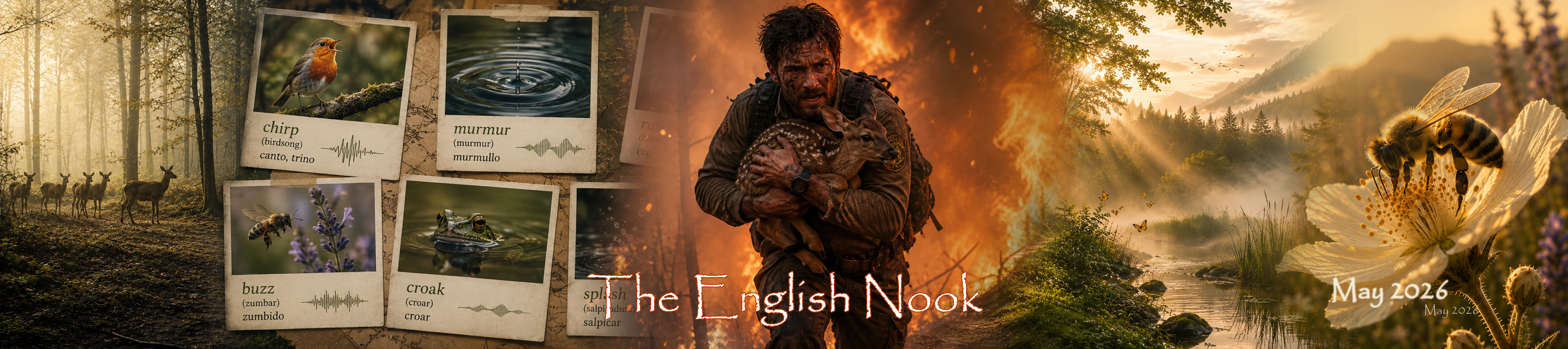
Throughout May, we found ourselves returning again and again to forests, animals, fields, rivers, voices, bees, trees, and growing things. What began as separate essays, stories, and reflections gradually revealed a common thread: the relationship between language and the natural world.
Bees became symbols of community. Trees became symbols of memory. Forests suggested hidden order. Even ordinary words carried traces of humanity’s long conversation with nature. Across the month, we explored not only how language describes the world around us, but how the world itself has shaped the language we use.
And as May drew to a close, the focus widened once more—from forests and fields to roads, trade routes, and the journeys that carry words across cultures and centuries. It was a fitting reminder that language, like people, is always moving.
The Month in Numbers
- 31 published pieces
- 22 articles and stories
- 6 original stories
- 4 Weekly Roundups
- 5 More Than Words collections
- Countless forests, fields, animals, symbols, and ideas
May Highlights
⭐ Best English Story
The Field Where the Hives Remained
A quiet and reflective story that captured many of the themes that defined May: memory, landscape, absence, and the hidden structures that remain after change.
⭐ Best Spanish Story
El Árbol Que Saludaba a los Transeúntes
A warm and memorable tale that transformed a simple image into a reflection on kindness, community, and the lasting effect of small gestures.
⭐ Best On Language
The Moment an Animal Becomes a Symbol
One of the strongest conceptual pieces of the month, exploring how animals move from the natural world into myth, metaphor, literature, and cultural meaning.
⭐ Best English Reading
A clear expression of the month’s central idea: that language often grows from humanity’s contact with birds, rivers, insects, forests, storms, and sound itself.
⭐ Best Vocabulary Feature
A practical reminder that some of the most common English words can also be among the most easily confused.
⭐ Surprise Pick
The Hidden Order Beneath Human Chaos
An essay that quietly brought together many of the month’s recurring themes, revealing the surprising connections between natural systems and human society.
What We Explored This Month
Poetry, Memory, and Distance
The month opened with reflections on poetry, absence, and memory. Through Why Poetry Returns to Loss and Distance in Poetry, we explored why certain images and emotions continue to echo across literature and human experience.
Stories, Silence, and Return
May’s stories often followed characters into places where something had changed, disappeared, or waited to be understood. In El Ojo en el Reloj, The Firebreak, Los Animales No Cruzaban, and The Field Where the Hives Remained, landscapes became more than settings. They became emotional and symbolic spaces.
Language as Relationship
Several pieces focused on the deeply human side of language. The Language of Affection, El Lenguaje del Cariño en Español, and The First Voice We Learn explored affection, belonging, memory, and the voices that shape us long before we fully understand language.
Nature as Symbol
This became the defining theme of May. In When Nature Becomes a Voice, The Moment an Animal Becomes a Symbol, When Nature Entered Language, and The Language of Forests, Fields, and Growing Things, nature appeared not as background scenery, but as a source of metaphor, memory, sound, and meaning.
Bees, Forests, and Hidden Order
The middle of the month formed a small constellation around bees, hives, and natural systems. The Language of Bees, Hives, and Swarms, World Bee Day — The Small Creatures That Quietly Hold Entire Worlds Together, and The Hidden Order Beneath Human Chaos explored how small creatures and natural structures can reveal larger patterns of community, survival, and cooperation.
Words That Travel
The final days of May widened the conversation once more. Through How Trade Routes Changed Everyday English, we followed the journeys of words across cultures and centuries, discovering how movement, exchange, and human contact continue to shape the language we speak today.
Explore the Nook
If you would like to explore everything published this month, you can visit:
- The Weekly Roundups, where each week’s posts are organized and summarized
- More Than Words (Midweek Reflections), where we step back and look at the ideas behind the posts
- The Short Stories Library (English and Spanish)
- The Vocabulary & Word Archive
- The On Language essays and cultural articles
The goal of these sections is simple: not just to publish new things, but to make the library easier to explore.
From the Archives
- Fluency or Connection? What Truly Motivates Us to Learn a Language?
- The Drowned Cathedral
- The Present and Future of Spanish Dialects
- El Silencio de los Nombres
- Estación Libertad
- El Lobo y la Cima
Some ideas fade. Others return in new forms. These six pieces continue to reflect many of the themes that define The English Nook: language, identity, memory, culture, and the stories we tell to make sense of the world.
Closing Reflection
Some months reveal a theme only after they are over.
Looking back, May became a month about the relationship between language and the living world around us. Through stories, essays, forests, animals, voices, bees, trees, and symbols, we repeatedly returned to the same idea:
Meaning often begins long before words do.
Thank you for exploring another month with us.
We look forward to seeing where June leads.