What Words Carry
A word can carry an instruction, an apology, a diagnosis, a story — or a silence that means more than its absence.
This week at The English Nook moved between speaking clearly and listening carefully. We looked at the words used to work together, ask for help and refuse politely; the vocabulary that helps people describe illness; the difference between formal correctness and human communication; and what happens when a character says less than the reader needs to know.
History Nook followed voices that changed screens, stages and books. Word Nook explored the language of protection, pain, care and recovery. And the Ravens prepared a new fortnightly Dispatch.
Here is the week at a glance.
From the Week
✦ Words at Work
A report can be written, checked and still never reach the person who needs it. Workplace English became a lesson in precise requests, clear responsibilities, deadlines and follow-through — the difference between appearing busy and communicating usefully.
✦ Requests and Refusals in Natural English
A request can be direct without being rude, and a refusal can be kind without becoming vague. Questions such as Could you…? and Would you mind…? opened a closer look at tone, boundaries and the language of saying no.
✦ When Silence Becomes Part of a Conversation
A pause is not an empty space. A delayed reply, a quiet meeting and an unfinished sentence showed how silence may express thought, disagreement, discomfort or care — and why interpretation must remain sensitive to context.
✦ Pneumonia and the Language of Breath
A silent p reveals a Greek history, while the medical term asks for accuracy in the present. The reading connected word origins, breathing vocabulary and careful communication about respiratory illness.
✦ More Than Words: Who Decides What Counts as Proper English?
Who decides whether English is proper? Dictionaries, schools, professional settings and everyday speakers do not always agree. This week’s Portal considered standards, variation, context and the difference between a useful convention and an unfair judgment.
✦ The Dictionary of Lost Apologies
Clara inherits a blue book filled with apologies her father never said aloud. Its entries reopen grief and uncertainty, while the story asks whether words recorded too late can still change a relationship.
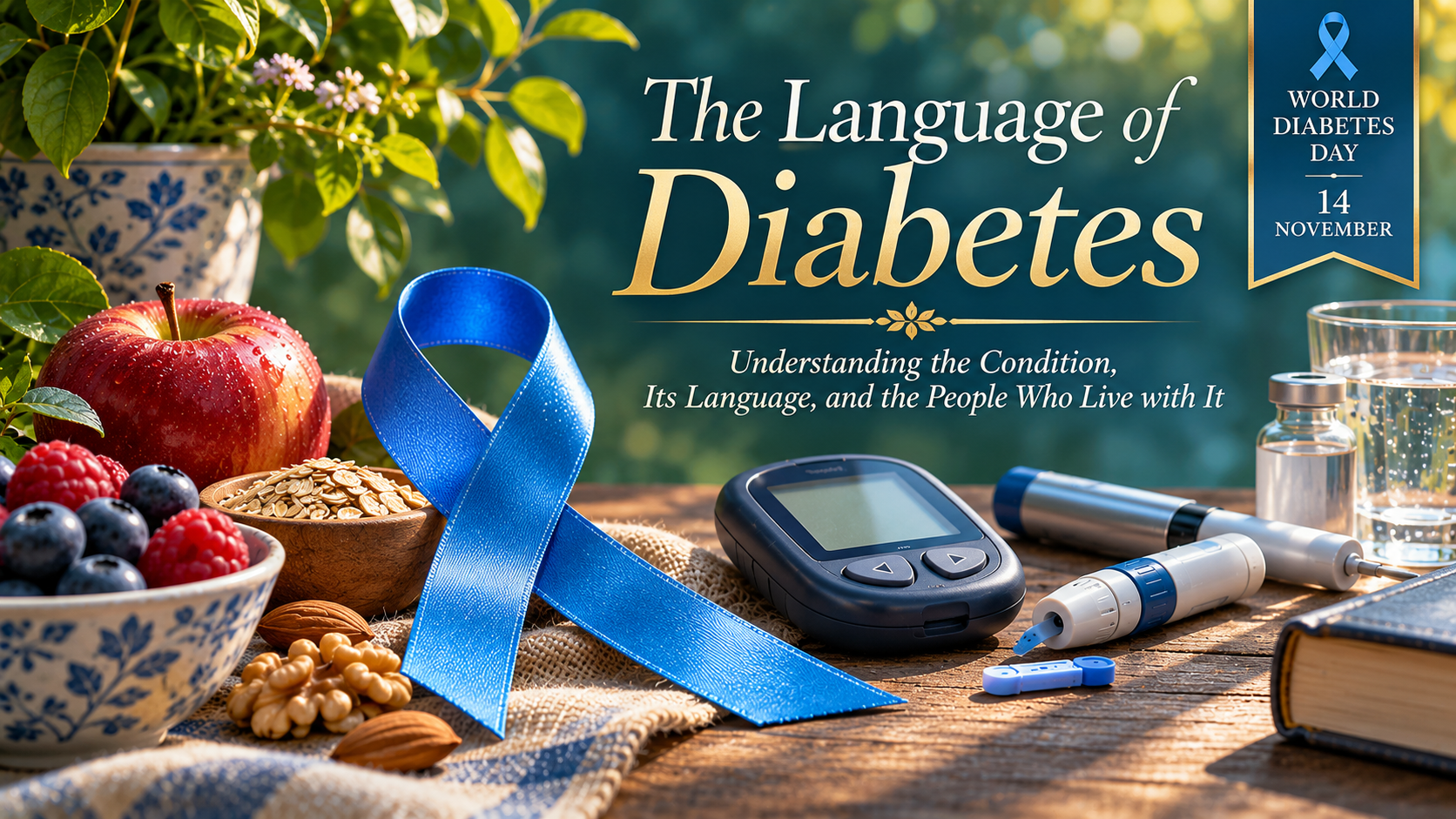
✦ The Language of Diabetes
Glucose, insulin and blood sugar are not interchangeable ideas, and a diagnosis is not a whole identity. This reading used clear language to explore diabetes and why accurate, respectful medical vocabulary matters.
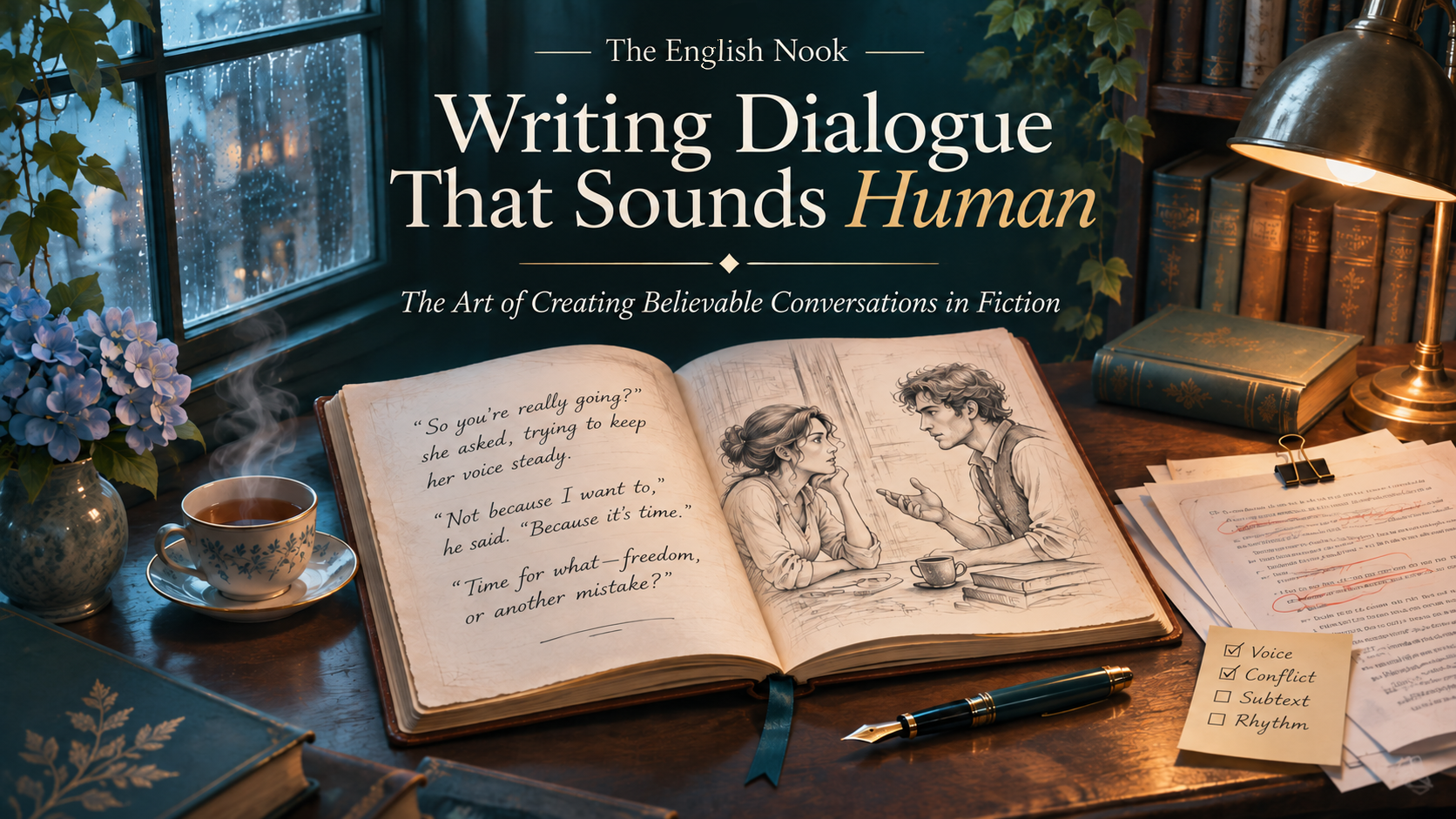
✦ Writing Dialogue That Sounds Human
Realistic dialogue is not a perfect transcript of speech. Voice, tension, subtext and the things characters avoid saying help written conversations feel alive rather than explained.
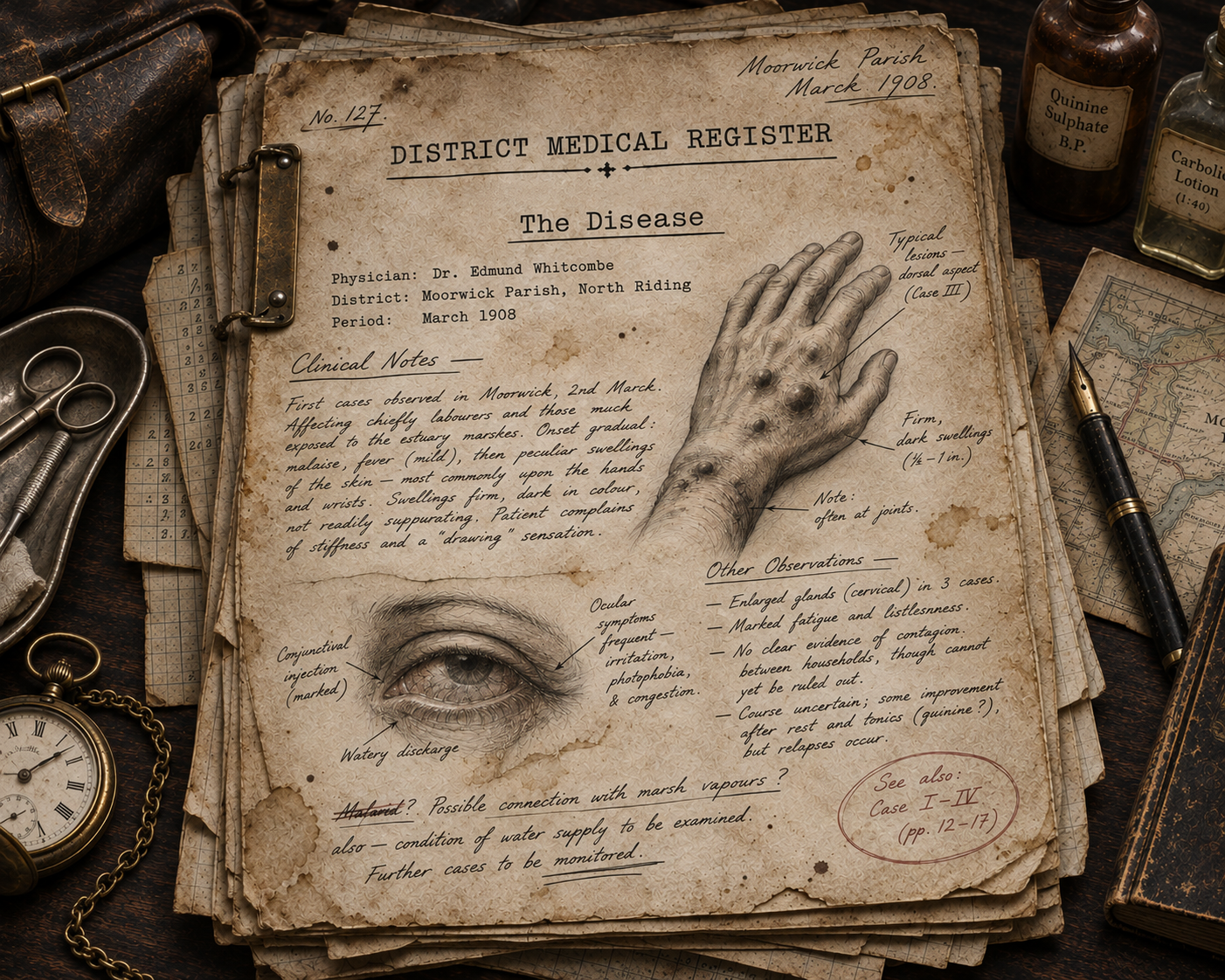
✦ Retrieved Field Log No. 4
In an unsettling new field report, a physician confronts symptoms that resemble familiar illnesses but refuse familiar explanations. Dr. Edmund Whitcombe’s observations carry an increasingly troubling question: what happens when the language of diagnosis no longer fits what is unfolding?
The Ravens Return
The Ravens’ Dispatch No. 9 gathers six of the fortnight’s major Chronicle highlights: literary prizes, a changing English word, academic publishing, and the international book trade. Its illustrated newspaper keeps the November 1–15 stories together for readers returning to the Chronicle later.
This Week in History Nook
9 November — Hedy Lamarr — Cinema and invention met in her work on a frequency-hopping communications system, without the myths that often distort her achievement.
10 November — Claude Rains — A remarkable speaking voice gave precision and menace to some of cinema’s most memorable dialogue.
11 November — Jonathan Winters — Improvisation turned one comedian’s voice into a crowd of characters and expanded the possibilities of spoken performance.
12 November — Grace Kelly — Restraint, gesture and careful delivery made quiet screen performances powerfully expressive.
13 November — Robert Louis Stevenson — Adventure and psychological horror showed how a lucid storyteller could give uncertainty and divided identity a voice.
14 November — Astrid Lindgren — Pippi Longstocking and other characters gave children imagination, independence and the courage to question adult authority.
15 November — Henryk Sienkiewicz — Historical fiction crossed borders through translation while raising questions about collective memory and national storytelling.
Words of the Week
Immunity · Glucose · Ache · Pneumonia · Reassurance · Diabetes · Nurture
The week began with Immunity, a word that moved from exemption to protection. Glucose turned sweetness into a question of metabolism; Ache found room for both bodily pain and longing. Pneumonia and Diabetes demanded careful distinctions, while Reassurance asked how trust is rebuilt and Nurture closed the week with the patient work of helping something grow.
A request can be misunderstood. A silence can be misread. A medical word can clarify — or confuse. An apology can arrive years after it was needed.
Yet words remain among the ways we make ourselves understood. Actors give them voices. Writers use them to invent worlds. Teachers choose them carefully; friends sometimes learn to leave them unsaid.
Nine main-site readings, stories and features. One Ravens’ Dispatch. Seven lives and seven words.
Perhaps the week’s lesson is not that we should always speak more. It is that what we say, how we say it, and when we listen matter just as much.
Another week has found its place on the Shelves.
See you next Sunday at The English Nook. 🐦⬛