How Global Pressures Are Silencing Cultural Voices
Language is more than a means of communication—it is the essence of culture, identity, and memory. Yet, around the world, countless languages are slowly fading from daily life. This phenomenon, known as linguistic shift, occurs when a community gradually abandons its native language in favor of another, typically one with greater social or economic power. While this process might seem natural in an increasingly globalized world, it carries profound cultural, psychological, and economic consequences that often go unnoticed.
At its core, linguistic shift is driven by social and economic pressures. When a dominant language—such as English, Spanish, or French—becomes the language of education, employment, and prestige, communities begin to prioritize it over their own. Parents, hoping to secure better opportunities for their children, may choose to raise them speaking only the dominant language. Over time, the ancestral tongue is spoken less and less, until it becomes confined to older generations or ceremonial contexts. Once the chain of transmission is broken, the language’s survival becomes uncertain.
The effects of this shift reach far beyond communication. When a language fades, a unique worldview disappears with it. Each language reflects a distinct way of understanding nature, relationships, and values. For example, in many indigenous languages, there are words that describe ecological knowledge, family ties, or spiritual beliefs that have no direct equivalent in global languages. When these words vanish, so too does the wisdom they carry. The loss of a language, therefore, is not merely linguistic—it is a loss of identity, memory, and connection to the past.
At the same time, linguistic shift often deepens social inequality. Those who master the dominant language gain access to education, employment, and political participation, while those who continue to speak minority languages can be excluded or stigmatized. In some regions, speaking a local language is still associated with poverty or lack of education, pushing speakers to hide their linguistic heritage. This dynamic creates a vicious cycle: the more marginalized a language becomes, the less likely it is to survive.
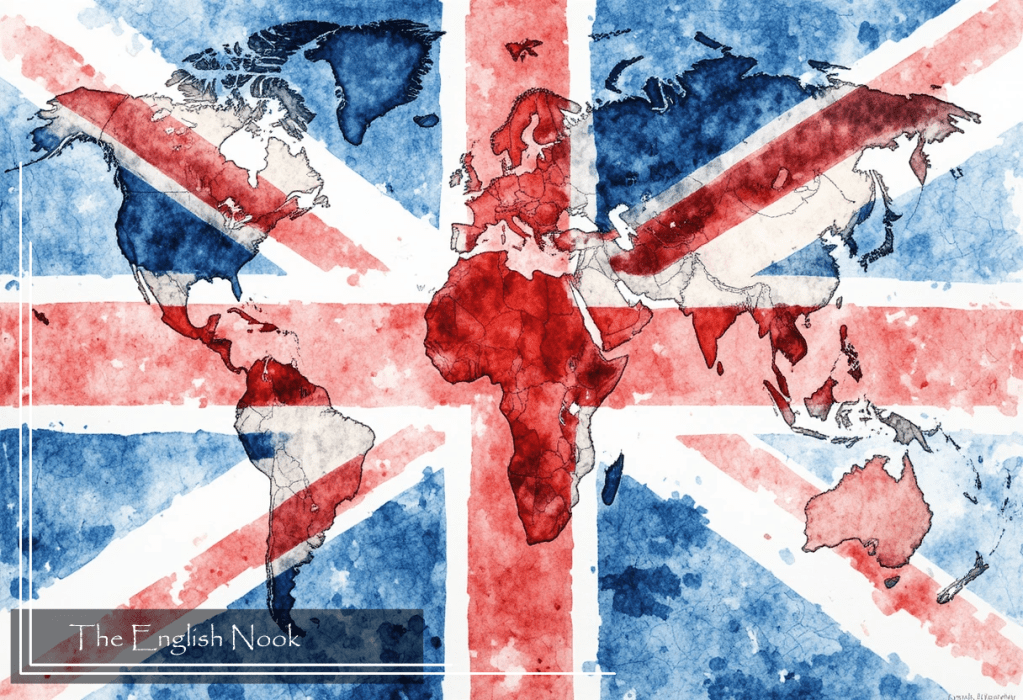
Concrete examples of linguistic shift can be found across the world. In Latin America, many indigenous languages such as Quechua, Mapudungun, and Guaraní have been losing speakers as Spanish dominates schools and workplaces. In Africa, colonial languages like English, French, and Portuguese have overshadowed hundreds of local tongues that once flourished independently. Even in Europe, smaller languages such as Irish Gaelic or Breton continue to struggle for survival despite governmental support. The global trend is clear: as globalization advances, smaller languages face increasing pressure to adapt or disappear.
However, linguistic shift is not irreversible. Many communities and governments are taking action to protect and revitalize endangered languages. Bilingual education programs, community classes, and digital projects aimed at recording and teaching native tongues have shown encouraging results. For instance, Māori in New Zealand and Welsh in Wales have experienced revitalization efforts that are slowly increasing the number of speakers. These successes demonstrate that with collective effort, a balance can be achieved between embracing global communication and preserving linguistic diversity.
In conclusion, linguistic shift is more than a change in words—it is a transformation of identity and culture. While adopting global languages can open doors to opportunity, it should not come at the cost of losing one’s linguistic roots. Each language holds a story, a perspective, and a piece of humanity that cannot be replaced. Protecting linguistic diversity means protecting the richness of our shared human experience. To let languages disappear in silence is to allow part of ourselves to vanish with them.
When a language dies, a world of thought falls silent — protect the voices that shape our humanity.
If you’ve read everything, please consider leaving a like, sharing, commenting, or all three!
YOU WILL ALSO LIKE READING:







 The English Nook
Leave a reply to freelypersona6cbdb7cd4b Cancel reply