A Unique Fusion of English and Welsh
Welsh English, or Wenglish, brings together the rich Celtic influences of the Welsh language (Cymraeg) with British English, creating a distinctive blend that reflects the pride and heritage of Wales. While British and Welsh English share a foundation, Welsh English carries unique pronunciation, expressions, and vocabulary shaped by centuries of bilingualism and cultural identity. This linguistic variety reveals the deep-rooted history and enduring spirit of Wales.
1. Pronunciation: Musical Intonation and Unique Consonants
The phonetics of Welsh English are instantly recognizable, with a musical lilt and distinct sounds influenced by Cymraeg. This creates a warm, lyrical tone that contrasts with the subtler intonations of British English.
- Rolled “R” (/r/): In many parts of Wales, speakers roll their “r”s, similar to the trilled “r” in Spanish. This Celtic characteristic adds a rhythmic quality, whereas British English often uses a soft “r” or none at all, especially in Received Pronunciation (RP).
- Clear Short Vowels: Welsh English favors clear, short vowels for words like man and cat, influenced by Welsh’s phonetic rules. This sharpness contrasts with the relaxed vowel sounds of British English.
- Sing-Song Intonation: A unique melodic rise and fall gives Welsh English a song-like quality, making it instantly identifiable. This intonation reflects the natural flow of Welsh, adding depth to even simple phrases.
Example:
- British English: “It’s great to see you.”
- Welsh English: “It’s great to see you.” (with rolled “r” and a rising intonation on “see”)
2. Vocabulary: Rich Loanwords and Welsh Expressions
Welsh English incorporates Welsh words and phrases, each conveying a sense of culture and identity that standard British English lacks. These terms can carry meanings or emotions that are untranslatable, adding richness to daily language.
- Cwtch (IPA: /kʊtʃ/): A Welsh word meaning a cozy hug or a safe space, it reflects warmth and intimacy beyond the English “hug.”
- Hiraeth (IPA: /ˈhɪraɪθ/): A unique term describing longing for home or nostalgia for Wales, often untranslatable.
- Butty: Equivalent to mate or buddy, this term reflects the friendly, close-knit nature of Welsh communities.
- Dwt: A term of endearment for someone small or cute, often used affectionately for children or pets.
- Chopsy: Describing someone who is talkative or cheeky, similar to “chatty” but with a playful Welsh twist.
Example:
- British English: “Give me a hug, mate!”
- Welsh English: “Give me a cwtch, butty!”
3. Grammar: Unique Syntax and Sentence Structure
Welsh syntax has a noticeable impact on Welsh English, influencing sentence structure and phrasing. Here are some examples of how this affects Welsh English grammar:
- Double Negatives: In Welsh, double negatives are commonly used and can carry over to Welsh English, where “I didn’t do nothing” would be acceptable for emphasis.
- Frequent Tag Questions: Welsh speakers often add tag questions like “isn’t it?” at the end of sentences for emphasis and agreement, even when it wouldn’t be typical in British English. This pattern echoes the tag questions in Welsh syntax.
Example:
- British English: “You’ll come to the party, won’t you?”
- Welsh English: “You’ll come to the party, isn’t it?”
4. Distinctive Idioms and Expressions: Welsh Influence on English Phrasing
Welsh English incorporates expressions that reflect the directness and warmth of Welsh. Some of these phrases may sound unfamiliar to British English speakers but are widely understood in Wales:
- “I’ll be there now in a minute”: A common expression that combines immediacy (“now”) with delay (“in a minute”), meaning “I’ll be there soon.”
- “I’m only after doing it”: Used to indicate something that was just completed, reflecting Welsh’s structure.
- “Tidy”: In Welsh English, “tidy” is used broadly to mean excellent, good, or satisfactory, extending beyond neatness.
Example:
- British English: “That’s wonderful work!”
- Welsh English: “That’s tidy work!”
5. Place Names and Pronunciations: Preserving Welsh Sounds in English
Welsh English is strongly connected to Wales’s unique geography and language. Many place names in Wales retain their Welsh pronunciation, giving an insight into the linguistic heritage.
- Llanelli (IPA: /ɬaˈnɛɬi/): A town name with the Welsh /ɬ/ sound, difficult for English speakers.
- Aberystwyth (IPA: /ˌæbəˈrɪstwɪθ/): A university town; its name combines Welsh roots with English.
Such names keep the Welsh sounds and culture alive and are a point of pride for Welsh speakers.
6. Cultural Phrasing and Local References
Welsh English carries cultural references that British English lacks, often tied to Welsh life, celebrations, and community values. These expressions make Welsh English feel particularly unique.
- Eisteddfod: This term refers to an annual Welsh festival celebrating poetry, music, and art. Mentioning the Eisteddfod is as common in Welsh English as “festival” in British English.
- Bara Brith: Meaning “speckled bread,” this traditional Welsh fruit bread is a beloved staple often mentioned in conversation, reflecting the culinary culture of Wales.
Example:
- British English: “I’m going to the summer festival.”
- Welsh English: “I’m off to the Eisteddfod!”
A Reflection of Welsh Identity in Language
Welsh English is more than just a dialect; it’s a reflection of the heart, identity, and history of Wales. From lyrical pronunciations and unique vocabulary to expressions like “cwtch” that convey warmth and connection, Welsh English showcases a rich heritage within the English language. It stands as a testament to Wales’s cultural resilience and offers a glimpse into a vibrant way of life that continues to thrive across the generations.
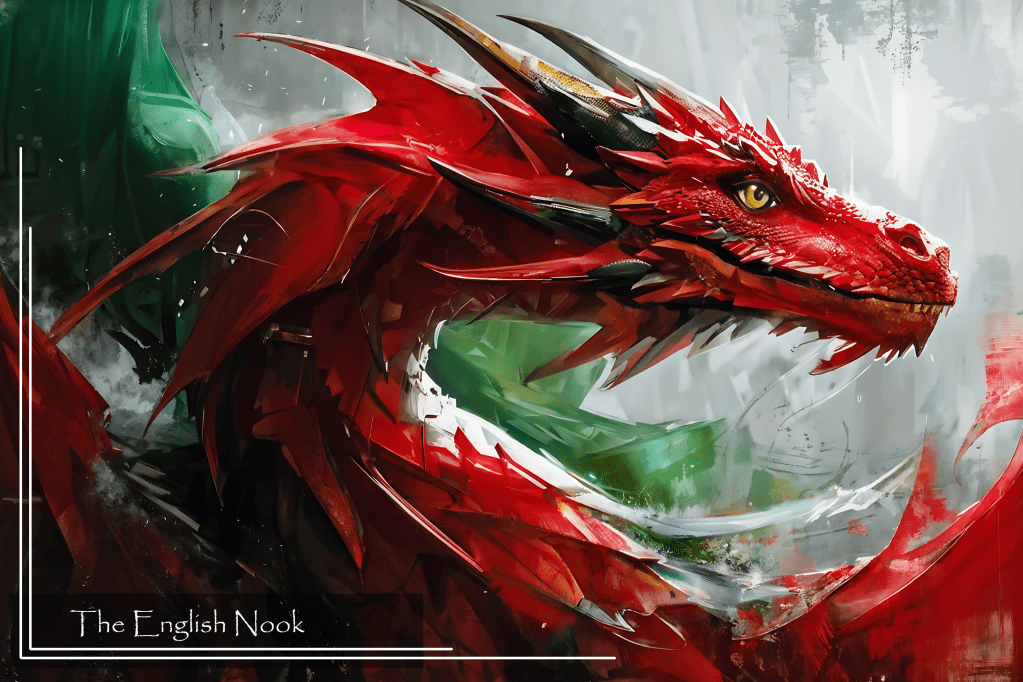
With Welsh English, you’re not just talking—you’re breathing life into the dragon of Wales!
If you’ve read everything, please consider leaving a like, sharing, commenting, or all three!
YOU WILL ALSO LIKE READING:



 The English Nook
Leave a reply to Wendy Glassby author Cancel reply