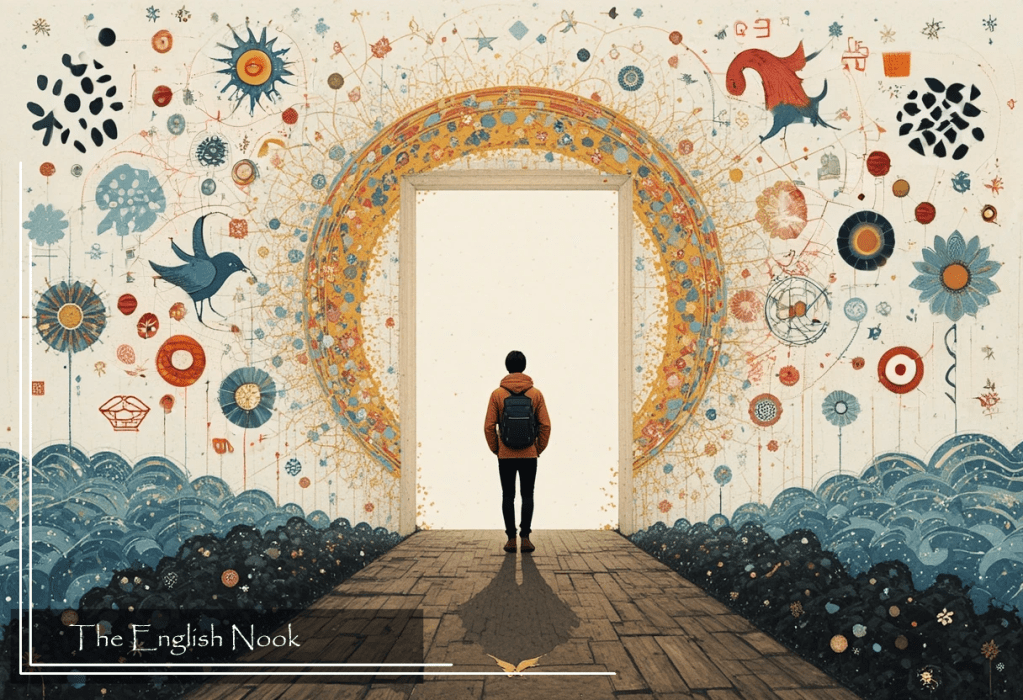

Standing Between What Was and What Could Be
The beginning of a new year feels like standing in a doorway. Behind us lies a familiar landscape shaped by routines, unfinished intentions, and lessons learned through experience. It is the year that taught us what worked, what failed, and what still lingers unresolved. Ahead, however, there is no fixed path—only possibility. The new year does not arrive with answers, but with space: space to redefine priorities, to question habits, and to imagine different versions of ourselves. This moment between past and future is not empty; it is charged with potential.
Learning a new language belongs naturally to this threshold. It is one of the most tangible ways to step forward. More than an academic goal, it is a deliberate act of openness. When you begin learning a language, you are not simply adding information to your mind—you are reshaping how you perceive reality. Words carry history, emotion, and worldview. As you learn them, you begin to understand how others categorize time, express emotion, show respect, or tell stories. Each new expression becomes a doorway into a different way of thinking.
Education, especially language education, is a powerful form of renewal. Unlike knowledge that remains static, language is alive—it grows through use, interaction, and reflection. It challenges the mind to stay alert and adaptable. You learn to listen more carefully, to tolerate uncertainty, and to accept that meaning often emerges imperfectly at first. This process strengthens cognitive flexibility and emotional resilience. In a world that demands constant adaptation, language learning becomes a form of mental training that prepares you not only to communicate, but to navigate change itself.
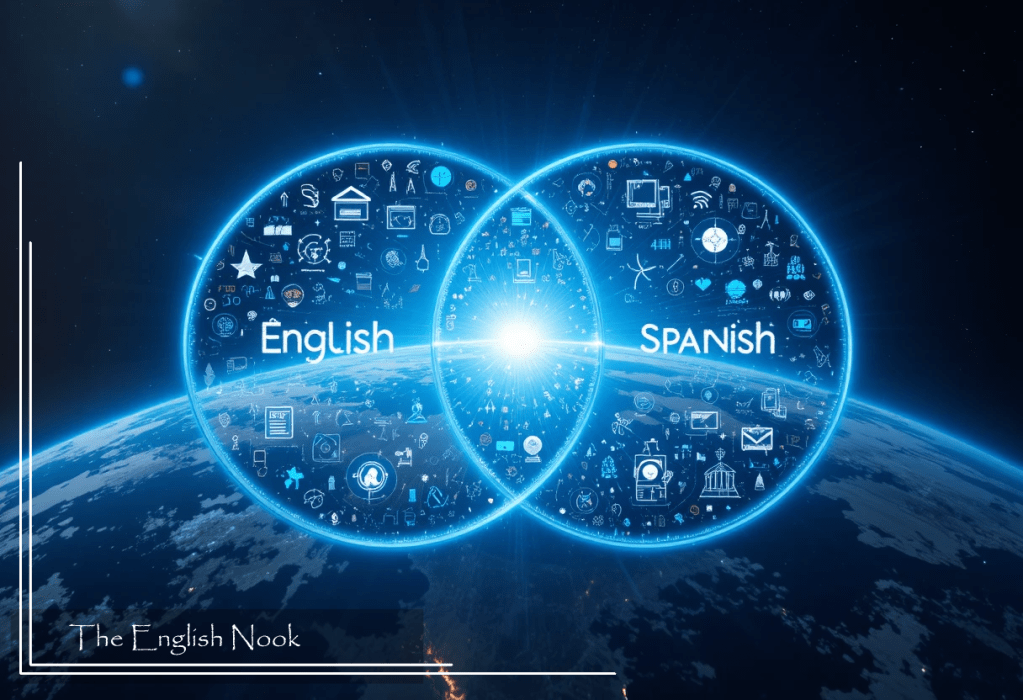
Language learning also transforms how we relate to our own past. As we encounter grammatical structures, shared roots, and familiar sounds in unfamiliar forms, we begin to see connections where we once saw separation. Languages reveal how cultures influence one another and how ideas travel across time and geography. This awareness fosters empathy. The world stops feeling like a collection of isolated places and starts to feel like a network of shared human experience. In learning another language, we do not lose our identity—we enrich it.
A new year is not merely an opportunity to start again; it is an invitation to continue more consciously. Choosing to learn a language is choosing progress over stagnation and curiosity over fear. It is an acknowledgment that growth is not linear, but cumulative. Every word learned, every mistake corrected, every moment of confusion endured becomes part of a larger transformation. Education, in this sense, is not a race or a checklist—it is a long-term commitment to becoming more aware, more capable, and more connected.
As you cross fully into this new year, consider the voice you want your future to have. A new language may begin as a challenge—slow, awkward, demanding—but it soon becomes a companion. It follows you into books, conversations, travels, and thoughts you could not access before. It gives shape to new ambitions and depth to familiar ones. The threshold has already been crossed. The only question left is which new words you will choose to carry forward.
New years open doors—new languages teach you how to walk through them.
If this new year feels like a threshold you’re ready to cross, language can be your first step.
Whether you want to learn Spanish or deepen your English, we’re here to guide you. Reach out through our contact area and begin shaping your new words.
If you’ve read everything, please consider leaving a like, sharing, commenting, or all three!
YOU WILL ALSO LIKE READING:




 The English Nook
Leave a comment