Language evolves faster than we can keep up.
The Pulse of a Living Language
Language never stands still. It grows, bends, and reinvents itself with every generation that speaks it. Among its most restless forms is slang—that vibrant, unfiltered voice that rises from the streets, classrooms, and online spaces where culture is made.
Slang isn’t just “casual speech.” It’s the emotional fingerprint of an era, a mirror showing what people admire, mock, or reject. Each word carries the rhythm of its time, echoing the values, humor, and frustrations of those who use it.
To study slang is to study the soul of society in motion.
Slang as a Mirror of Identity
Every generation feels the need to reshape the world it inherits—and with it, the words it uses. Slang becomes a form of linguistic rebellion, a way to claim ownership of expression.
Young speakers constantly invent new words to mark identity and solidarity. Saying lit, vibe, or no cap isn’t merely about sounding current; it’s about belonging. These words create invisible boundaries between those who understand and those who don’t.
Sociolinguists often point out that slang is a sign of in-group membership—language as a code of shared experience. It can unite fans of a subculture, followers of a movement, or even members of a digital community scattered across continents. In short, slang says who we are, and sometimes, who we are not.
Slang Through the Decades
Each era leaves behind a trail of linguistic fossils—words that once felt new but now sound like echoes of the past.
| Decade | Popular Slang | Cultural Reflection |
|---|---|---|
| 1960s | groovy, far out | The countercultural movement, freedom, and idealism. |
| 1980s | rad, tubular | The rise of youth independence, skate and surf culture. |
| 1990s | phat, dope | Hip-hop and street culture shaping mainstream English. |
| 2000s | cool, sick, lit | Internet and global media accelerating word diffusion. |
| 2020s | rizz, slay, no cap | The age of viral content and online self-expression. |
Many of these words survive for a while before fading. Others reinvent themselves—cool, for instance, has stayed relevant for nearly a century. Slang’s survival depends on repetition, reinvention, and resonance with its users.
How Slang Evolves Faster Than We Can Keep Up
Before the internet, slang spread slowly—through films, music, and face-to-face interaction. Today, a single viral post can turn an obscure word into a global trend within hours.
Platforms like TikTok, YouTube, and X (formerly Twitter) act as linguistic accelerators, allowing words to cross borders and generations almost instantly.
But this speed comes with volatility. Words rise and fall faster than dictionaries can record them. By the time lexicographers discuss adding a term, it might already be fading from popular use. The Oxford English Dictionary has, in fact, begun tracking “ephemeral slang”—expressions that live short yet influential lives online.
Digital slang also reflects cultural blending. English borrows from other languages at an unprecedented rate:
- Spanglish expressions like cringeante or me da un vibe raro mix codes fluidly.
- African American Vernacular English (AAVE) heavily influences global slang through music and social media.
- Internet shorthand—like sus, lowkey, or based—originates in gaming and meme culture before entering mainstream speech.
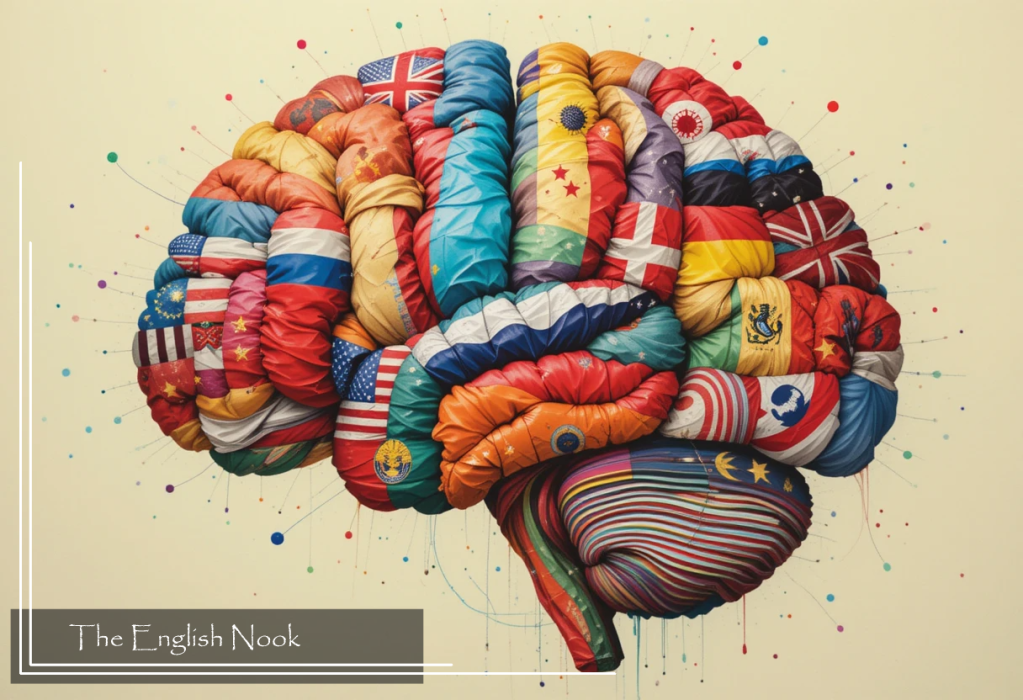
In this sense, the evolution of slang mirrors globalization itself: fast, hybrid, and borderless.
Slang as Emotional Expression
Slang also captures emotion with a kind of raw immediacy that standard language often lacks.
Where formal English might describe, slang feels. It can express admiration (slay), irony (I’m dead), or suspicion (sus) in just one syllable. These emotional shortcuts make language feel alive—dynamic and expressive rather than mechanical.
| Slang | Meaning | Emotional Tone |
|---|---|---|
| Vibing | Enjoying the mood or atmosphere | Calm, positive |
| Slay | Doing something impressively | Empowered, admiring |
| No cap | Being honest, not exaggerating | Sincere |
| Sus | Suspicious or untrustworthy | Doubtful |
| I’m dead | Finding something very funny | Exaggerated humor |
This emotional precision explains slang’s appeal: it’s fast, expressive, and instantly relatable. It bridges feelings that formal speech sometimes misses.
Case Study: “Rizz” and the Power of Reinvention
The word rizz—short for charisma—exploded in popularity around 2023 after being popularized on TikTok and in online gaming circles. It means charm or flirtatious confidence, and its rise reflects the internet’s role in redefining social language.
Within months, rizz appeared in mainstream media, memes, and even Oxford’s “Word of the Year” shortlist—proof of how quickly digital slang can enter cultural consciousness.
Example: He’s got major rizz; everyone notices when he walks in.
Like cool or vibe, rizz might fade or evolve—but it perfectly captures its time: confident, ironic, and self-aware.
Language, Culture, and Connection
At its core, slang isn’t just about novelty—it’s about connection. It tells us what a generation values and how it wants to be understood. It reflects humor, inclusivity, and even defiance.
When we pay attention to slang, we’re not just studying informal English; we’re tracing how identity forms through speech.
This makes slang an invaluable tool for learners of English—not just for vocabulary, but for cultural understanding. It reminds us that language is not static rules but a living art.
The Voice of Each Era
Slang shows that language is not made by textbooks, but by people. It grows where emotion, humor, and creativity collide. Each generation reinvents English in its own image—faster, louder, and more fluid than the one before.
To understand a culture, listen to its slang. There, between irony and sincerity, you’ll find what people truly think and feel. Slang is the poetry of the present—brief, expressive, and profoundly human.
Slang speaks where rules fall silent—the living heartbeat of language.
If you’ve read everything, please consider leaving a like, sharing, commenting, or all three!
YOU WILL ALSO LIKE READING:






 The English Nook
Leave a comment