
Bilingual and Becoming
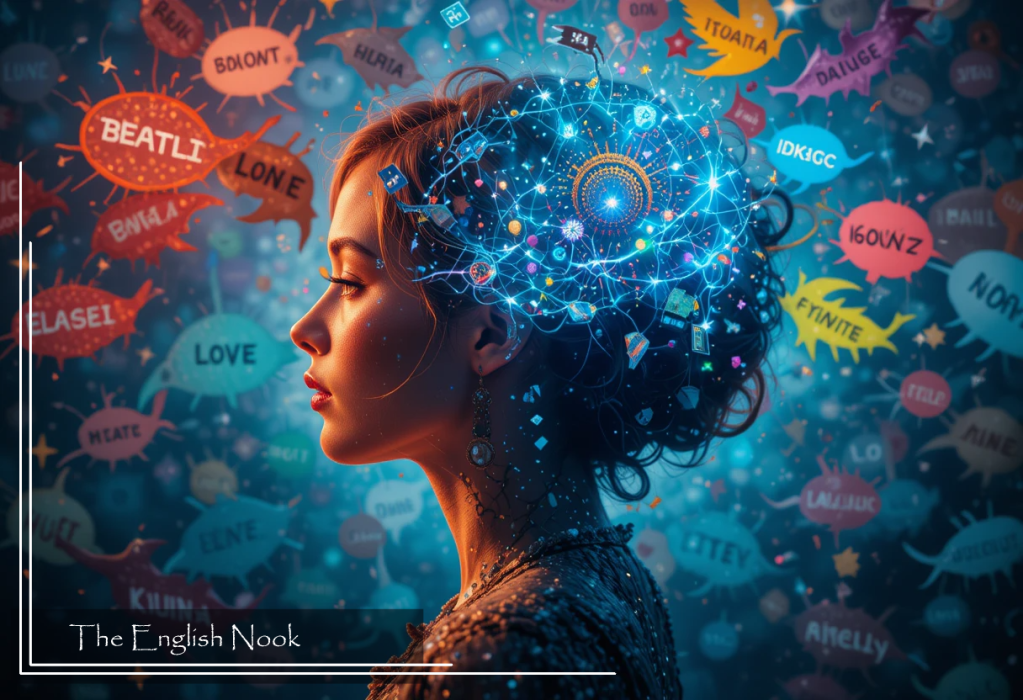
Have you ever noticed you feel bolder, calmer, or even funnier when speaking a different language? You’re not imagining it. Many bilinguals and multilinguals report feeling “like a different person” depending on the language they’re using—and research is starting to explain why.
Language is more than a tool for communication—it is a reflection of culture, identity, and thought. For bilinguals and multilinguals, switching from one language to another can sometimes feel like switching between different versions of themselves. This has led to a fascinating and often debated question: do people’s personalities truly change when they speak different languages, or is this just an illusion?
The Psychological Perspective
Research in psycholinguistics and cross-cultural psychology suggests that language shapes not only how we express ourselves, but also how we think and behave. This is partly because each language is deeply tied to the cultural norms, values, and social expectations of the communities that speak it. For example, a person speaking Japanese—a language often associated with formality, humility, and indirectness—may naturally adopt a more polite and reserved demeanor. The same person, speaking Brazilian Portuguese—a language rich in warmth, humor, and informality—might become more expressive, using more gestures and open body language.
This is known as “cultural frame switching”—when the brain unconsciously adapts our behavior, tone, and even emotional reactions to fit the cultural “rules” associated with the language we are speaking.
In fact, a 2006 University of Texas study found that bilingual participants gave different answers to personality tests depending on which language they took the test in, aligning more closely with the cultural traits linked to that language.
Examples from Everyday Life
- Social Interaction: A Spanish-English bilingual might feel more confident and passionate when speaking Spanish, using more emotional expressions, while in English they may adopt a more concise and restrained communication style.
- Humor and Sarcasm: Some jokes and idioms simply don’t translate well. A French speaker might feel wittier in French because the humor aligns with cultural references they grew up with, whereas in another language they may appear more serious.
- Body Language and Voice: Many bilinguals report speaking more softly or with less hand movement in one language, and more animatedly in another. This isn’t just about words—it’s about the full communication package.
The Role of Emotional Connection
Language is also tied to emotional memory. The language you first learned to express your feelings in—often your mother tongue—tends to evoke stronger emotional responses. For instance, swearing or expressing love in a second language might feel less intense, almost as if a protective emotional filter is in place. This can make people appear calmer, more rational, or more distant in their second language, even if they are not consciously trying to be.
Myth or Reality?
While the core personality traits of an individual—such as introversion, extroversion, or openness—remain relatively stable, the way these traits are expressed can shift dramatically between languages. This is not necessarily because people become different individuals, but because each language activates different social scripts, cultural habits, and emotional associations.
That said, not everyone experiences a noticeable shift. Some bilinguals—particularly those who grew up learning both languages in similar environments—report feeling exactly the same in either tongue, suggesting that context and cultural association play as big a role as the language itself.
Another You in Another Language
Personality changes when switching languages are not pure myth—nor do they represent a total transformation of who we are. Instead, they reflect the dynamic relationship between language, culture, and identity. Speaking different languages can be like wearing different cultural lenses, each highlighting different aspects of our personality. For multilinguals, this is not a limitation but a unique superpower: the ability to navigate the world with multiple voices, perspectives, and emotional registers.
Next time you switch languages, pay attention: does your voice, humor, or even posture change? You might be meeting another version of yourself.
Same soul, different soundtrack.
If you’ve read everything, please consider leaving a like, sharing, commenting, or all three!
YOU WILL ALSO LIKE READING:







 The English Nook
Leave a comment