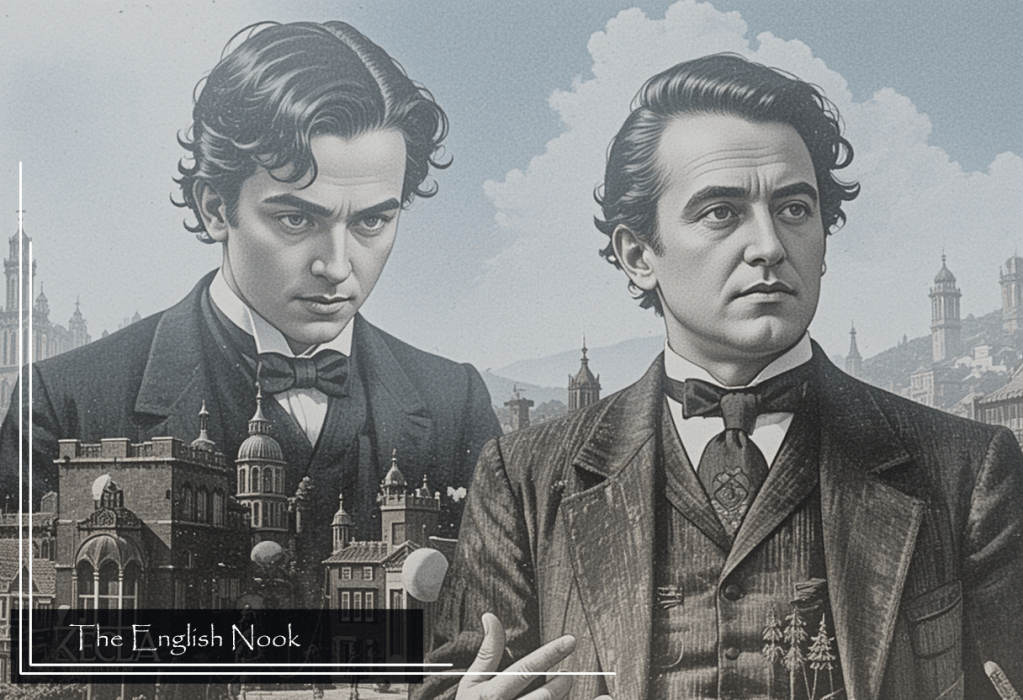

A Legacy of Emotion and Expression
Spanish poetry is one of the richest and most expressive literary traditions in the world. It weaves together history, culture, and profound emotion, using rhythm, imagery, and carefully chosen words to capture the essence of the human experience. From the structured elegance of classical forms to the free-flowing verses of modern poets, Spanish poetry has always been a powerful medium for artistic and philosophical exploration. Whether celebrating love, lamenting loss, or contemplating the mysteries of existence, it continues to inspire and move readers across generations.
A Brief History of Spanish Poetry
Spanish poetry traces its origins to the medieval period, influenced by diverse cultural currents from Arabic, Jewish, and Christian traditions. It evolved through the Renaissance, Baroque, and Romantic movements, each era leaving a distinct mark on poetic expression.
- Medieval Poetry: Early Spanish poetry emerged in the form of jarchas, short lyrical poems in Mozarabic that express themes of love and longing, often embedded in Arabic and Hebrew texts. Cantares de gesta, such as El Cantar de Mio Cid (12th century), chronicled the heroic deeds of knights, reflecting the values of honor and loyalty.
- Golden Age (Siglo de Oro): The 16th and 17th centuries marked a golden period for Spanish poetry. Garcilaso de la Vega refined the sonnet form with Italian influences, bringing elegance and emotional depth. Luis de Góngora, a master of culteranismo, employed elaborate metaphors and complex syntax, while Francisco de Quevedo, a proponent of conceptismo, used sharp wit, irony, and deep philosophical insight to critique society and human nature.
- Romanticism and Modernism: The 19th century saw a shift toward introspection, nature, and personal emotion. Gustavo Adolfo Bécquer’s Rimas conveyed a delicate, melancholic lyricism, making his work a hallmark of Spanish Romanticism. In contrast, Rubén Darío, the Nicaraguan poet who spearheaded Modernismo, revolutionized Spanish-language poetry with rich symbolism, musicality, and an innovative approach to language and structure.
- Generation of ’27: The early 20th century brought an explosion of poetic innovation with the Generación del 27. Figures such as Federico García Lorca infused poetry with surrealist imagery, folklore, and political themes, while Rafael Alberti and Pedro Salinas experimented with both classical and avant-garde techniques, reflecting Spain’s complex social and cultural transformations.
- Postwar and Contemporary Poetry: In the aftermath of the Spanish Civil War and Franco’s dictatorship, poets like Blas de Otero and Gabriel Celaya used their verses as a form of social protest. Later, the poetry of Octavio Paz, Pablo Neruda, and contemporary voices like Luis García Montero continued to evolve, blending tradition with modern perspectives on identity, love, and existential reflection.
Forms of Spanish Poetry
Spanish poetry is known for its diverse and intricate structures. Some of the most notable forms include:
Verso Libre (Free Verse): A modern form that abandons strict meter and rhyme, allowing for greater expressive freedom. Pioneered by poets such as Vicente Huidobro and Pablo Neruda, free verse is widely used in contemporary poetry to convey complex emotions and ideas without structural constraints.
Soneto (Sonnet): A 14-line poem with a strict rhyme scheme, popularized in Spain by Garcilaso de la Vega. Typically written in hendecasyllabic lines, sonnets explore themes of love, philosophy, and beauty, often ending with a reflective or dramatic conclusion.
Romance: A traditional Spanish ballad composed of eight-syllable lines with assonant rhyme, used in epic and lyrical poetry. Romances were instrumental in preserving historical events and legends, making them one of the most enduring poetic forms in Spanish literature.
Redondilla: A four-line stanza with an ABBA rhyme scheme, often used in philosophical or love poetry. Popularized by Baroque poets like Sor Juana Inés de la Cruz, redondillas are known for their rhythmic elegance and thematic depth.
Silva: A flexible form combining seven- and eleven-syllable lines, used by poets like Garcilaso de la Vega and Gustavo Adolfo Bécquer. The silva allows for fluid expression and is commonly found in meditative and nature-focused poetry.
Décima: A ten-line stanza with a specific rhyme pattern (ABBAACCDDC), prominent in Spanish and Latin American poetry. Also known as espinela, this form is particularly popular in improvised oral poetry and folk traditions.
Famous Poets and Their Works
- Garcilaso de la Vega (1501–1536) – Known for his Italian-influenced sonnets and pastoral themes.
- Luis de Góngora (1561–1627) – A master of culteranismo, his poetry is dense with metaphor and imagery.
- Francisco de Quevedo (1580–1645) – A master of satire and deep philosophical poetry.
- Gustavo Adolfo Bécquer (1836–1870) – His Rimas are some of the most beloved lyrical poems in Spanish literature.
- Rubén Darío (1867–1916) – A leader of the Modernist movement, his works are rich in symbolism and rhythm.
- Antonio Machado (1875–1939) – A poet of deep introspection and national identity.
- Federico García Lorca (1898–1936) – Blended folklore, surrealism, and deep emotion in works like Romancero Gitano.
- Pablo Neruda (1904–1973) – Though Chilean, his influence on Spanish-language poetry is monumental, with works like Veinte poemas de amor y una canción desesperada.
- Octavio Paz (1914–1998) – A Mexican Nobel laureate known for his philosophical and experimental poetry.
- Luis García Montero (b. 1958) – A contemporary poet who continues the tradition of lyricism and reflection in modern Spanish poetry.
The Power of Spanish Poetry
Spanish poetry has always been more than just an artistic endeavor; it is a vessel for emotion, history, and identity. It has fueled political movements, given voice to the marginalized, and served as a means of personal and collective healing. From Lorca’s passionate verses about love and death to Neruda’s odes to ordinary life, poetry in Spanish captures the essence of existence in a way that is both deeply personal and universally resonant.
Whether written in structured sonnets or free-flowing verse, poetry in Spanish remains a living force, continually evolving and inspiring new generations. It reminds us that words have power—not just to describe the world but to transform it.
Engage With Spanish Poetry
Want to immerse yourself in Spanish poetry? Try the following:
- Read a poem by Lorca or Neruda and analyze its imagery and themes.
- Write a romance about a personal experience.
- Listen to a spoken-word performance of contemporary Spanish poetry.
- Explore how poets like Antonio Machado reflected historical events in their work.
Spanish poetry is for everyone—whether you are reading, writing, or simply appreciating its beauty, let it inspire you!
If you’ve read everything, please consider leaving a like, sharing, commenting, or all three!
Need some help with your Spanish journey? Go to the contact area and send me a message; I’ll get back to you as soon as possible!
YOU WILL SURELY LIKE:


 The English Nook
Leave a comment