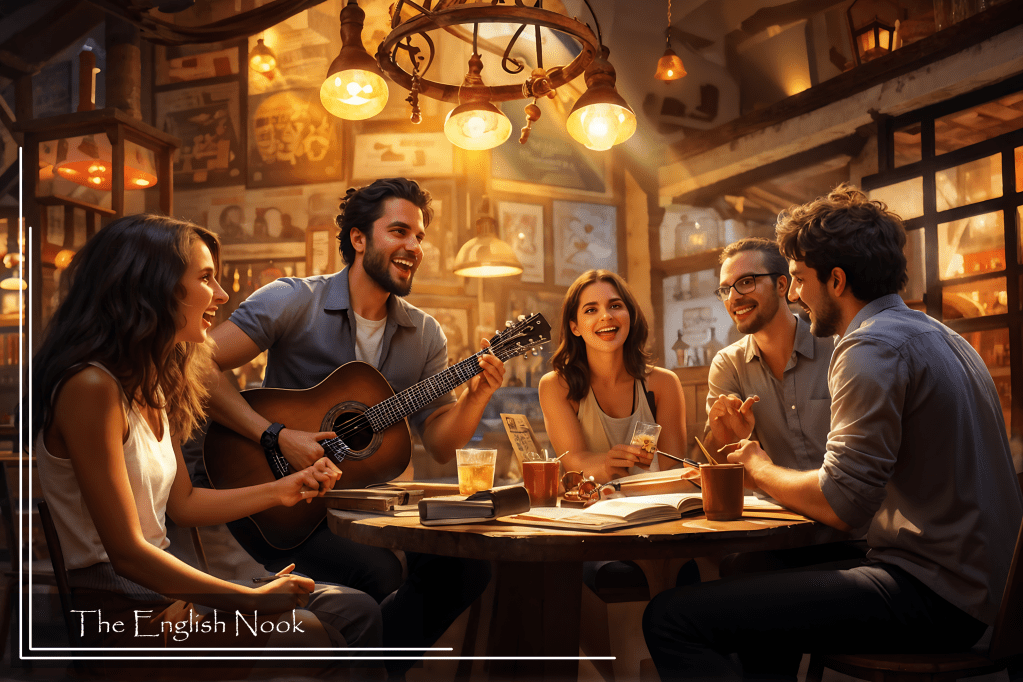

Sharing What You Love
Discussing your hobbies and interests is a wonderful way to connect with others, especially when learning a new language like Spanish. Being able to talk about what you enjoy not only enhances your conversational skills but also deepens your cultural exchange. This guide provides useful vocabulary, phrases, and pronunciation in IPA to help you express your favorite pastimes, whether they involve sports, creative pursuits, or leisurely activities.
Key Vocabulary and Phrases
Pasatiempo /pasaˈtjempo/ (Hobby)
Mi pasatiempo favorito es leer novelas de ciencia ficción.
(My favorite hobby is readin
Tengo un gran interés en aprender idiomas extranjeros.
(I have a great interest in learning foreign languages.)
Deportes /deˈpoɾtes/ (Sports)
Los deportes que más practico son el fútbol y el baloncesto.
(The sports I play the most are soccer and basketball.)
Actividades de ocio /aktiβiˈðaðes de ˈosjo/ (Leisure activities)
Durante el verano, disfruto mucho de las actividades de ocio al aire libre.
(During the summer, I really enjoy outdoor leisure activities.)
Disfrutar /disfɾuˈtaɾ/ (To enjoy)
Me gusta disfrutar de una buena película los fines de semana.
(I like to enjoy a good movie on the weekends.)
Tocar un instrumento /toˈkaɾ un instɾuˈmento/ (To play an instrument)
Ella sabe tocar un instrumento; toca el piano desde que era niña.
(She knows how to play an instrument; she has played the piano since she was a child.)
Practicar un deporte /pɾaktiˈkaɾ un deˈpoɾte/ (To practice a sport)
Practicar un deporte regularmente es bueno para la salud física y mental.
(Practicing a sport regularly is good for physical and mental health.)
Tiempo libre /ˈtjem.po ˈli.βɾe/ (Free time)
En mi tiempo libre, me gusta escuchar música y dibujar.
(In my free time, I like to listen to music and draw.)
Actividades al aire libre /aktiβiˈðaðes al ˈaiɾe ˈliβɾe/ (Outdoor activities)
Las actividades al aire libre, como el senderismo, son perfectas para desconectar.
(Outdoor activities, such as hiking, are perfect for disconnecting.)
Pasatiempos creativos /pasaˈtjempoz kɾeaˈtiβos/ (Creative hobbies)
Los pasatiempos creativos, como pintar o escribir, me ayudan a relajarme.
(Creative hobbies, like painting or writing, help me relax.)
Examples of Common Conversations
Talking about your favorite activities:
¿Qué haces en tu tiempo libre?
(What do you do in your free time?)
Response 1: En mi tiempo libre, me gusta leer libros y salir con amigos.
(In my free time, I like to read books and go out with friends.)
Response 2: Me encanta pintar y practicar yoga para relajarme.
(I love painting and practicing yoga to relax.)
Discussing shared interests:
A mí también me gusta practicar deportes. ¿Qué deporte practicas tú?
(I also like practicing sports. What sport do you play?)
Response: Juego al tenis y corro los fines de semana. ¿Y tú?
(I play tennis and run on the weekends. And you?)
Asking about specific hobbies:
¿Tocas algún instrumento musical?
(Do you play any musical instrument?)
Response 1: Sí, toco la guitarra y estoy aprendiendo el piano.
(Yes, I play the guitar and I’m learning the piano.)
Response 2: No, pero me gustaría aprender a tocar el violín.
(No, but I would like to learn how to play the violin.)
Expressing enthusiasm about activities:
¡Qué interesante! A mí me encanta bailar. ¿Te gusta la música?
(How interesting! I love dancing. Do you like music?)
Response: Sí, escucho música todos los días. Mi género favorito es el jazz.
(Yes, I listen to music every day. My favorite genre is jazz.)
Planning activities together:
¿Qué tal si vamos a hacer senderismo el sábado?
(How about we go hiking on Saturday?)
Response: ¡Claro que sí! Me encanta estar al aire libre.
(Of course! I love being outdoors.)
Tips to Practice This Vocabulary
- Make it personal: Write a list of your hobbies and interests and practice talking about them in Spanish.
- Listen and repeat: Watch videos or listen to podcasts in Spanish about leisure activities to improve pronunciation.
- Engage in conversations: Practice with a partner by asking and answering questions about hobbies.
Enrich Your Conversations in Spanish
Being able to talk about your hobbies and interests in Spanish is an essential skill for building meaningful relationships and improving your fluency. By learning the vocabulary and phrases included here, you’ll be prepared to share your passions and discover common interests with others. Remember, language learning is about making connections, and discussing hobbies is a great way to do so. So, start practicing, and let your personality shine through your words.
¡Buena suerte!
Talking about your hobbies in Spanish not only improves your language skills—it connects you to the world.
If you’ve read everything, please consider leaving a like, sharing, commenting, or all three!
YOU WILL ALSO LIKE READING:







 The English Nook
Leave a comment