
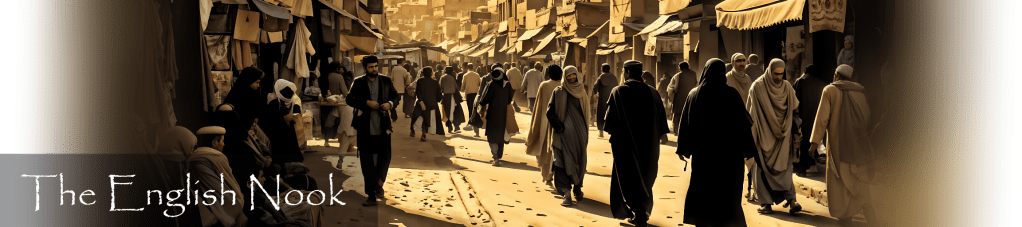
Historical Context of Linguistic Borrowing
The historical interactions between Afghanistan and English-speaking nations, particularly during the British wars in the 19th century, have facilitated significant cultural exchanges and linguistic influences. The two Anglo-Afghan Wars, occurring in 1839-1842 and 1878-1880, marked a period of intense military and diplomatic engagement, which inevitably led to the incorporation of Afghan languages—especially Pashto and Dari—into the English lexicon.
During this tumultuous period, British officials, soldiers, and travelers in Afghanistan encountered the rich cultural heritage of the region, and as a result, certain terms and expressions from Pashto and Dari found their way into English. These loanwords reflect various aspects of Afghan life, including geography, social customs, and everyday items, highlighting the cultural interactions between the two nations.
For instance, the word “pashmina,” which refers to a fine type of cashmere wool, originates from the Persian word “pāshmīnā,” closely related to the wool produced in the region. It signifies not just a fabric but also the artisanal craftsmanship associated with Afghan textiles. Similarly, the term “buzkashi,” which denotes the traditional Afghan sport of horse-mounted polo, is derived from the Pashto language. This sport is a significant part of Afghan cultural heritage and illustrates the importance of horses in Afghan society.
Other terms related to local culture and traditions also entered English during this period. The word “shah,” meaning king or ruler in Persian and Pashto, became widely recognized in English literature and historical texts. The title reflects the longstanding monarchical traditions of Afghanistan and serves as a reminder of the region’s complex political history.
Moreover, everyday items and practices have enriched the English vocabulary. The word “chapan,” derived from the Dari term for a traditional Afghan coat, highlights the unique clothing styles of the region. Similarly, “kebab,” which refers to skewered and grilled meat, is widely used in English-speaking contexts, originating from the culinary practices of Central Asia and the Middle East.
The influence of Pashto and Dari on English exemplifies the resilience of language as a vehicle for cultural exchange. These loanwords not only enhance the richness of the English language but also serve as enduring reminders of the historical interactions between Afghanistan and English-speaking cultures.
Examples of Loanwords from Pashto and Dari:
- Pashmina
Origin: Persian “pāshmīnā” (referring to fine cashmere wool)
Example: “She wore a beautiful pashmina shawl, intricately woven by Afghan artisans.” - Buzkashi
Origin: Pashto “buzkāshī” (referring to the traditional sport of goat grabbing on horseback)
Example: “The festival featured a thrilling game of buzkashi, showcasing the skill of the riders.” - Shah
Origin: Persian “shāh” (meaning king or ruler)
Example: “The story of the great shahs of Afghanistan has fascinated historians for centuries.” - Chapan
Origin: Dari “chapan” (referring to a traditional Afghan coat)
Example: “He wrapped himself in a warm chapan as he stepped outside into the cold.” - Kebab
Origin: Derived from Arabic and used in Persian and Pashto cuisines (referring to skewered grilled meat)
Example: “They enjoyed delicious lamb kebabs at the local Afghan restaurant.” - Kohl
Origin: Arabic “kuḥl” (referring to a traditional eye cosmetic)
Example: “She applied kohl to her eyes, enhancing her beauty with this ancient cosmetic.” - Jangali
Origin: Pashto “jangālī” (meaning of the jungle or wilderness)
Example: “The jangali terrain made navigation difficult for the inexperienced travelers.” - Sitar
Origin: Persian “sītār” (referring to a traditional musical instrument)
Example: “The musician skillfully played the sitar, filling the room with enchanting melodies.” - Tandoor
Origin: Persian “tandoor” (referring to a clay oven)
Example: “The bread was baked in a traditional tandoor, giving it a unique flavor.” - Kismet
Origin: Persian “qismat” (referring to fate or destiny)
Example: “She believed it was kismet that brought them together in such a serendipitous manner.” - Khana
Origin: Persian “khāna” (meaning house or home)
Example: “He welcomed his guests into his khana, offering them traditional Afghan hospitality.” - Chapli
Origin: Pashto “chapli” (referring to a type of spiced meat patty)
Example: “The chapli kebab was a highlight of the meal, bursting with flavor.” - Baqla
Origin: Dari “baqlā” (referring to broad beans)
Example: “She prepared a delicious dish with baqla, showcasing the fresh produce of Afghanistan.” - Safi
Origin: Pashto “safī” (referring to a pure or clean person)
Example: “His safi character earned him the respect and admiration of his peers.” - Manto
Origin: Persian “manto” (referring to a traditional Afghan wrap or shawl)
Example: “She wore a colorful manto that reflected her cultural heritage.” - Dari
Origin: Dari (referring to the Persian dialect spoken in Afghanistan)
Example: “He was fluent in Dari, allowing him to communicate easily with the local population.”
Celebrating Linguistic Diversity
The incorporation of Pashto and Dari loanwords into the English language illustrates the power of historical interactions in shaping linguistic landscapes. As languages come into contact, they enrich one another, reflecting the complexities of cultural exchange and shared histories. Embracing this linguistic diversity fosters greater understanding and appreciation of different cultures, highlighting the interconnectedness of human experiences across borders. The enduring presence of these loanwords serves as a testament to the resilience and adaptability of languages in the face of conflict and change.
From the rugged mountains of Afghanistan to the English lexicon, every word tells a story!
If you’ve read everything, please consider leaving a like, sharing, commenting, or all three!
YOU WILL ALSO LIKE READING:




 The English Nook
Leave a comment