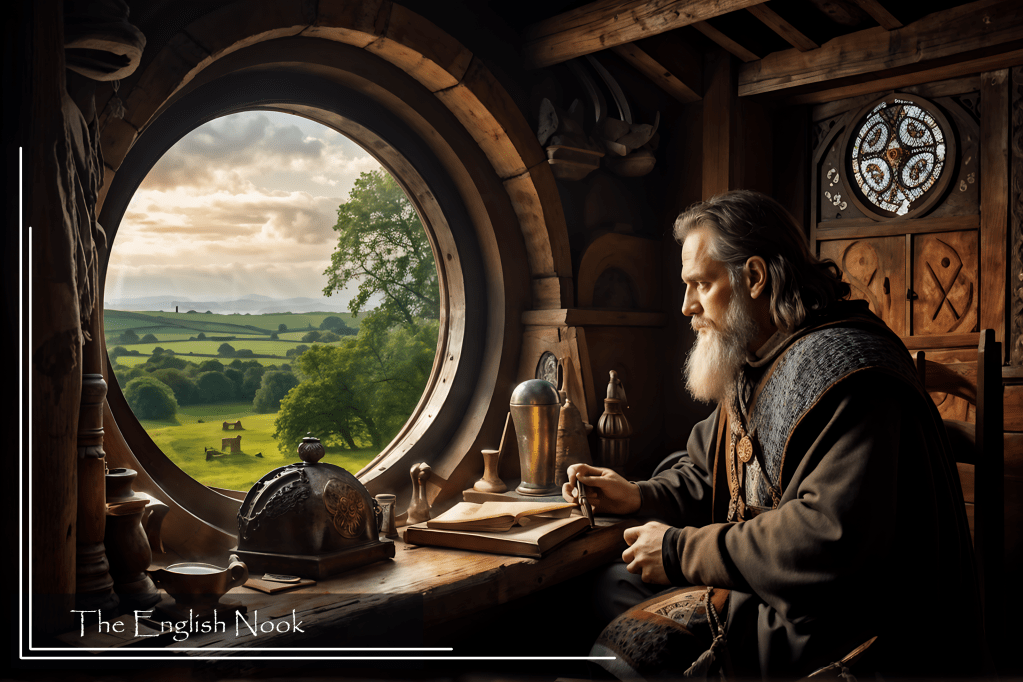

A Window into the Anglo-Saxon World
Old English literature offers a captivating glimpse into the lives, beliefs, and struggles of the Anglo-Saxon people. Flourishing between the 7th and 11th centuries, it is primarily known for its epic poems and religious texts, which capture themes of heroism, fate, faith, and social structure. Key works like “Beowulf,” “The Wanderer,” and “The Seafarer” remain central to the study of this era, alongside religious writings such as Bede’s “Ecclesiastical History of the English People.” This exploration of Old English literature reveals not only its rich cultural and historical context but also its linguistic significance.
Heroism and Fate: Epic Poetry in Old English
Among Old English literary works, epic poems stand out as vivid reflections of the heroic ethos and the turbulent world of the Anglo-Saxons. These poems typically center on warrior culture, emphasizing bravery, loyalty, and the ever-present hand of fate.
- “Beowulf,” the most famous Old English epic, tells the story of its titular hero who battles the monstrous Grendel and later, a fearsome dragon. The poem blends elements of Christian and pagan traditions, reflecting the complex transition from paganism to Christianity in Anglo-Saxon society. In “Beowulf,” fate is a recurring theme, illustrating the Anglo-Saxon belief in an inescapable destiny. The language used to describe both the heroic feats and the inevitable demise of Beowulf underscores a melancholic acceptance of fate.
- “The Wanderer” and “The Seafarer” focus on exile, loneliness, and the search for meaning. These poems evoke a deep sense of sorrow as their protagonists grapple with the harsh realities of life, emphasizing the fragility of human existence. The narrator of “The Wanderer,” for example, reflects on the fleeting nature of wealth, power, and companionship, contemplating the impermanence of all things in contrast to the eternal.
These poems, characterized by their elevated tone and profound imagery, showcase the Anglo-Saxon preoccupation with heroism, kinship, and the whims of fate.
Religious Influence: The Christianization of Old English Literature
While heroism dominated secular literature, religious texts were also a significant part of Old English literary output. With the spread of Christianity in the 7th and 8th centuries, Latin texts were translated into Old English, making religious knowledge accessible to a broader audience. One of the most influential figures in this literary tradition was the Venerable Bede, whose “Ecclesiastical History of the English People” traces the Christianization of Anglo-Saxon England.
In addition to historical and religious works, Old English translations of the Bible played a key role in shaping the moral and spiritual life of the Anglo-Saxon people. Christian themes of sin, redemption, and divine providence permeate much of Old English literature. For instance, “Beowulf” often alludes to biblical narratives, such as the story of Cain and Abel, to frame the struggle between good and evil.
Language and Style: The Craftsmanship of Old English Literature
One of the most striking features of Old English literature is its linguistic complexity. The language of these works, with its highly inflected grammar and rich vocabulary, reveals a meticulous craftsmanship. Poetic forms like alliteration and kennings (compound metaphors such as “whale-road” for the sea) are hallmarks of Old English verse, contributing to its rhythmic and evocative style.
- Alliteration played a central role in Old English poetry, where it was used to bind lines together through repeated consonant sounds at the beginning of words. This created a distinct musical quality, especially in oral recitations of the poetry.
- Kennings are another distinctive feature, often requiring the reader or listener to engage deeply with the imagery. For example, in “Beowulf,” the sea is referred to as the “whale-road,” a poetic and imaginative expression that vividly conveys the vastness of the ocean in the context of Anglo-Saxon seafaring culture.
The language’s flexibility allowed poets to manipulate word order and inflection to suit the needs of meter and meaning, creating works that are as structurally complex as they are thematically rich.
Religious and Secular Themes: A Convergence
Despite the clear distinction between secular and religious works, there was often a blending of themes in Old English literature. Poems like “Beowulf” exemplify this intersection, where Christian values coexist with pagan elements. The same hero who expresses loyalty to earthly kings also acknowledges the Christian God’s supremacy over human fate. This merging of beliefs reflects the transitional nature of Anglo-Saxon society as it moved from paganism to Christianity.
The religious texts, while more overtly Christian, still reveal insights into the values and concerns of the time. Bede’s works, for instance, document not only the spread of Christianity but also the political and cultural shifts occurring in Anglo-Saxon England. Similarly, translations of the Bible into Old English reveal the effort to make religious doctrine accessible, promoting both literacy and Christian morals among the populace.
Old English’s Lasting Legacy
The influence of Old English literature extends far beyond the Middle Ages. Its themes of heroism, the human condition, and the divine continue to resonate in modern literature and culture. Furthermore, the language itself—though much altered—laid the groundwork for the English we speak today. Through its grammatical structures, vocabulary, and poetic devices, Old English remains a vital link in the chain of linguistic development.
The Enduring Power of Old English Literature
Old English literature offers a profound window into the values, struggles, and faith of the Anglo-Saxon people. From the epic heroism of “Beowulf” to the poignant reflections of “The Wanderer,” these works encapsulate the complexities of life in early medieval England. The intricate language and thematic depth of Old English texts continue to inspire both scholars and readers today, underscoring the timeless relevance of these ancient writings. As we study these works, we not only connect with the past but also gain a deeper understanding of the roots of modern English language and literature.
Discover the roots of English literature through the heroic tales and timeless themes of Old English poetry!
Learn more about:
- Old English: The Anglo-Saxon Foundations (450-1150 AD) (Anchor Post)
- Germanic Roots of Old English
- The Influence of Latin and Old Norse on Old English
- Old English Grammar and Syntax
If you’ve read everything, please consider leaving a like, sharing, commenting, or all three!
YOU WILL ALSO LIKE:







 The English Nook
Leave a comment