El Inperfecto
The imperfect tense in Spanish, known as “pretérito imperfecto” or simply “imperfecto,” is used to describe ongoing or habitual actions in the past, background information, or actions that were interrupted. It provides context and describes situations that used to happen regularly or were in progress. Understanding this tense will help you convey past actions and descriptions effectively.
Conjugation of Regular Verbs
Regular verbs in Spanish are divided into three groups based on their endings: -ar, -er, and -ir. Each group follows a consistent pattern when conjugated in the imperfect tense.
-ar Verbs (e.g., hablar – to talk)
| Person | Ending | Conjugation |
|---|---|---|
| yo | -aba | hablaba |
| tú | -abas | hablabas |
| él/ella/usted | -aba | hablaba |
| nosotros/as | -ábamos | hablábamos |
| vosotros/as | -abais | hablabais |
| ellos/ellas/ustedes | -aban | hablaban |
-er Verbs (e.g., comer – to eat)
| Person | Ending | Conjugation |
|---|---|---|
| yo | -ía | comía |
| tú | -ías | comías |
| él/ella/usted | -ía | comía |
| nosotros/as | -íamos | comíamos |
| vosotros/as | -íais | comíais |
| ellos/ellas/ustedes | -ían | comían |
-ir Verbs (e.g., vivir – to live)
| Person | Ending | Conjugation |
|---|---|---|
| yo | -ía | vivía |
| tú | -ías | vivías |
| él/ella/usted | -ía | vivía |
| nosotros/as | -íamos | vivíamos |
| vosotros/as | -íais | vivíais |
| ellos/ellas/ustedes | -ían | vivían |
Conjugation of Irregular Verbs
There are only three irregular verbs in the imperfect tense: ser, ir, and ver.
Ser (to be)
| Person | Conjugation |
|---|---|
| yo | era |
| tú | eras |
| él/ella/usted | era |
| nosotros/as | éramos |
| vosotros/as | erais |
| ellos/ellas/ustedes | eran |
Ir (to go)
| Person | Conjugation |
|---|---|
| yo | iba |
| tú | ibas |
| él/ella/usted | iba |
| nosotros/as | íbamos |
| vosotros/as | ibais |
| ellos/ellas/ustedes | iban |
Ver (to see)
| Person | Conjugation |
|---|---|
| yo | veía |
| tú | veías |
| él/ella/usted | veía |
| nosotros/as | veíamos |
| vosotros/as | veíais |
| ellos/ellas/ustedes | veían |
Clear Examples
Here are some example sentences using regular and irregular verbs in the imperfect tense:
- Hablar (to talk)
- Yo hablaba con mis amigos todos los días. (I used to talk with my friends every day.)
- Ella hablaba lentamente. (She was talking slowly.)
- Comer (to eat)
- Nosotros comíamos en ese restaurante cada semana. (We used to eat at that restaurant every week.)
- Tú comías mucho cuando eras niño. (You used to eat a lot when you were a child.)
- Vivir (to live)
- Ellos vivían en un pequeño pueblo. (They used to live in a small town.)
- ¿Dónde vivías tú antes? (Where did you used to live before?)
- Ser (to be)
- Yo era estudiante en esa escuela. (I was a student at that school.)
- Vosotros erais muy buenos amigos. (You all were very good friends.)
- Ir (to go)
- Él iba al gimnasio todos los días. (He used to go to the gym every day.)
- Nosotros íbamos de vacaciones cada verano. (We used to go on vacation every summer.)
- Ver (to see)
- Yo veía muchas películas los fines de semana. (I used to watch a lot of movies on weekends.)
- Ellas veían la televisión por las noches. (They used to watch TV in the evenings.)
Textos Ejemplo
Recuerdos de la Infancia
Cuando era niño, jugaba en el parque todos los días. Mis amigos y yo corríamos por el césped mientras nuestros padres nos vigilaban desde las bancas. A veces, cuando hacía calor, íbamos a comprar helado en la tienda cercana. Todo parecía más sencillo entonces, y siempre estábamos felices de pasar tiempo juntos.
Un Viejo Hábito
Durante mi juventud, solía visitar la biblioteca cada fin de semana. Me encantaba perderme entre los libros, buscando historias que alimentaran mi imaginación. Mientras leía, mi mente viajaba a lugares lejanos y fantásticos. Los otros lectores, silenciosos y concentrados, parecían estar inmersos en sus propios mundos. El tiempo pasaba sin que me diera cuenta, y, al caer la tarde, regresaba a casa con un libro nuevo bajo el brazo, listo para una nueva aventura.
La Casa de la Abuela
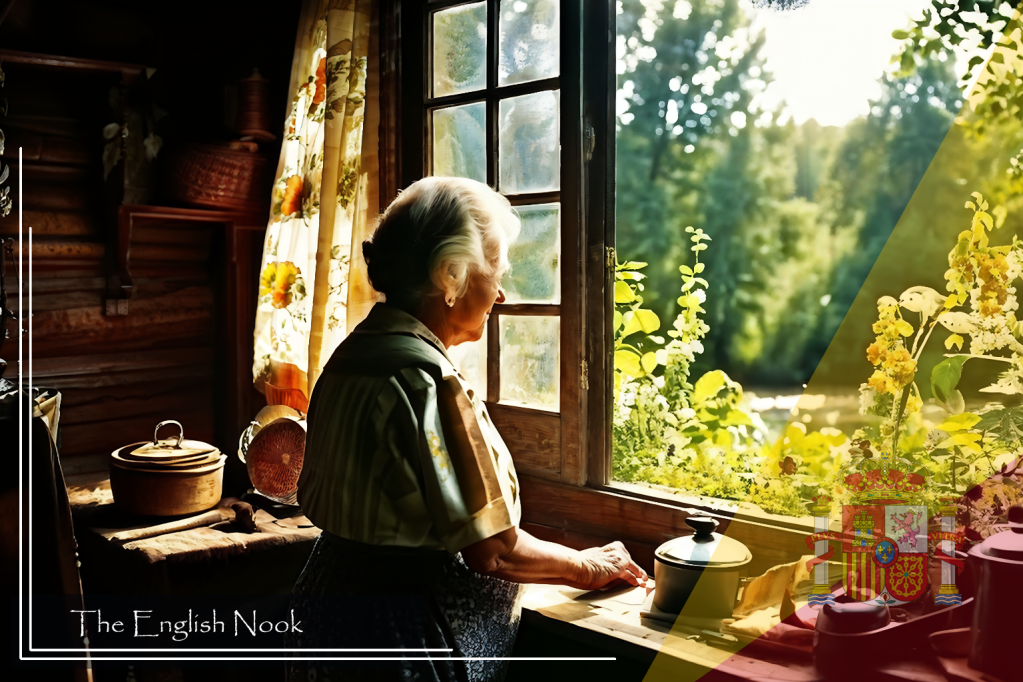
Cada verano, mi familia y yo visitábamos la casa de la abuela en el campo. La casa estaba rodeada de árboles frondosos, y desde la ventana de mi habitación veía el río que fluía lentamente. Mi abuela siempre preparaba galletas para nosotros y contaba historias de su juventud mientras nos sentábamos alrededor de la chimenea. Las tardes transcurrían tranquilas, y el canto de los pájaros nos acompañaba mientras jugábamos en el jardín. La casa tenía un aroma especial, una mezcla de madera vieja y flores frescas, que me hacía sentir siempre bienvenido.
Conclusion
Mastering the imperfect tense in Spanish allows you to effectively describe past habits, ongoing actions, and background information. By practicing the conjugation of both regular and irregular verbs, you’ll be able to provide detailed context and vivid descriptions of past events. Keep practicing, and soon you’ll find this tense to be an essential part of your Spanish storytelling. ¡Sigue practicando!
By mastering the imperfect tense, you unlock the power to paint rich and vivid pictures of the past, making your stories more engaging and your memories more alive!
If you’ve read everything, please consider leaving a like, sharing, commenting, or all three!
Need some help with your Spanish journey? Go to the contact area and send me a message; I’ll get back to you as soon as possible!
YOU WILL ALSO LIKE:






 The English Nook
Leave a comment