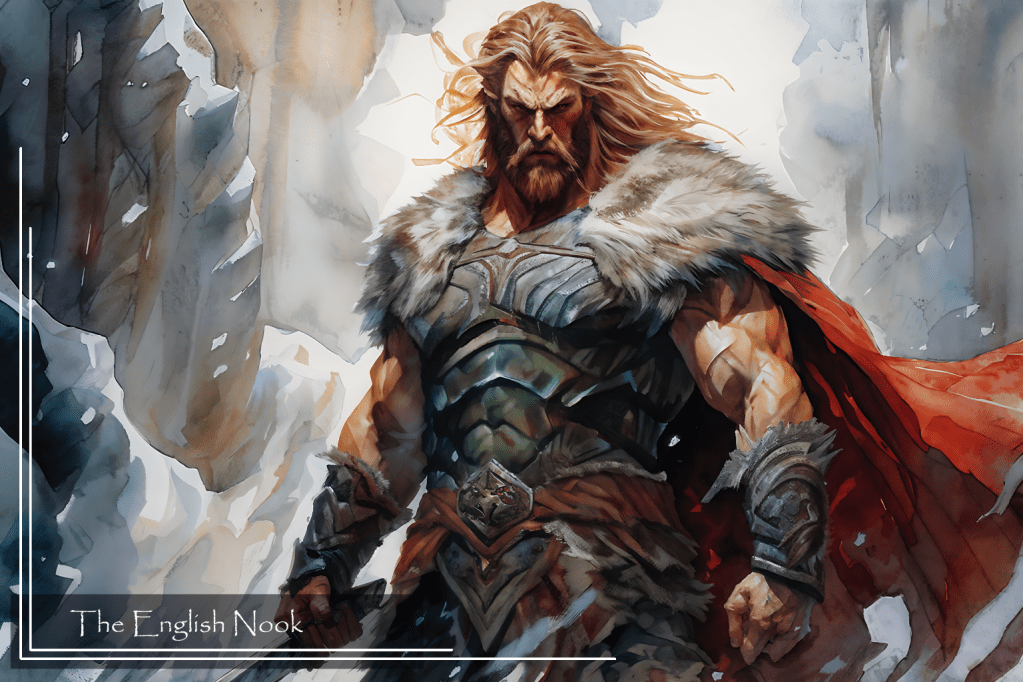
Old English Literature
Old English literature provides a fascinating glimpse into the early literary culture of England. Among the most significant works from this period are “Beowulf,” “The Anglo-Saxon Chronicle,” “Caedmon’s Hymn,” and “The Exeter Book.” Each of these texts offers unique insights into the values, beliefs, and experiences of the Anglo-Saxon people.
Beowulf
Overview
“Beowulf” stands as the quintessential work of Old English literature, an epic poem of roughly 3,182 lines. It narrates the heroic feats of Beowulf, a noble warrior of the Geats, who comes to the aid of Hrothgar, king of the Danes. Beowulf battles the monstrous Grendel, Grendel’s vengeful mother, and later in his life, a dragon that threatens his own kingdom.
Manuscript
The poem is preserved in the Nowell Codex (also known as the Cotton Vitellius A.xv manuscript), dated to around the 10th century. This manuscript is crucial for the survival of “Beowulf” as it is the only known copy.
Language and Style
“Beowulf” is composed in the West Saxon dialect of Old English. It utilizes alliterative verse, where the repetition of consonant sounds at the beginning of words creates rhythm and cohesion. For example, the line “Heorot trembled, wonderfully built to withstand the blows, the struggling great bodies beating at its beautiful walls” demonstrates this technique. This style is characteristic of Germanic oral traditions, predating written records.
Themes
The poem delves into several profound themes:
- Heroism: The valor and strength of Beowulf are central, portraying the ideal qualities of a hero.
- Good vs. Evil: The battles against Grendel, Grendel’s mother, and the dragon symbolize the eternal struggle between good and evil forces.
- Kinship and Loyalty: The relationships between leaders and their warriors (comitatus) emphasize the societal importance of loyalty and mutual obligation.
- Fate and Mortality: The poem frequently touches on the inevitability of death and the hero’s quest for lasting fame.
Other Significant Old English Texts
The Anglo-Saxon Chronicle
This is a collection of annals chronicling the history of the Anglo-Saxons from the Roman withdrawal from Britain to the 12th century. Compiled during the reign of Alfred the Great in the late 9th century, it provides invaluable historical insights and is one of the earliest historical records in the English language.
Caedmon’s Hymn
Attributed to Caedmon, a 7th-century monk, “Caedmon’s Hymn” is one of the earliest examples of Old English Christian poetry. It celebrates the creation of the world and praises God’s glory, marking a significant transition from the pagan past to the Christian present.
The Exeter Book
This 10th-century anthology is one of the largest collections of Old English poetry, containing a wide variety of texts:
- Riddles: Clever, metaphorical descriptions requiring interpretation.
- Elegies: Reflective poems mourning loss or expressing longing, such as “The Wanderer” and “The Seafarer.”
- Religious Texts: Poems exploring Christian themes and biblical stories.
Each of these works contributes to our understanding of the Old English period, providing a rich tapestry of the era’s literary and cultural landscape. The themes of heroism, the supernatural, and the interplay between pagan and Christian elements reveal a society in transition, grappling with its identity and beliefs amidst a changing world.
Old English examples:
Beowulf: “Heorot hrysedon, hringsele beah, ealmedh wudu; hit on eorðan standan.”
The Anglo-Saxon Chronicle: “Her wæron reðe forebecna cumene ofer Norðhymbra land, and þæt folc earmlice bregdon; wæron ormete forscepte scinende ofer dryhtlice.”
Caedmon’s Hymn: “Nu sculon herigean heofonrices weard, meotodes meahte and his modgeþanc, weorc wuldorfæder.”
The Exeter Book – Riddle 47: “Moððe word fræt. Me þæt þuhte wrætlicu wyrd, þa ic þæt wundor gefrægn, þæt se wyrm forswealg wera gied sumes.”
The Exeter Book – The Wanderer: “Oft him anhaga are gebideð, metudes miltse, þeah þe he modcearig geond lagulade longe sceolde.”
The Exeter Book – Christ II: “Nu is se dæg cumen þæt we sculan herglian, wuldorcyninges wuldor, þæt wuldor gesyne, and se wundorcned geopenad.”
Final Thoughts
The study of Old English literature offers a window into the past, revealing the thoughts, struggles, and aspirations of the Anglo-Saxon people. Through epic tales like “Beowulf” and historical records like “The Anglo-Saxon Chronicle,” we gain a deeper appreciation for the richness and complexity of early English culture.
Exploring Old English literature not only enriches our understanding of the past but also allows us to appreciate the timeless themes and profound artistry that continue to resonate through the ages.
If you’ve read everything, please consider leaving a like, sharing, commenting, or all three!
YOU WILL ALSO LIKE:





 The English Nook
Leave a comment