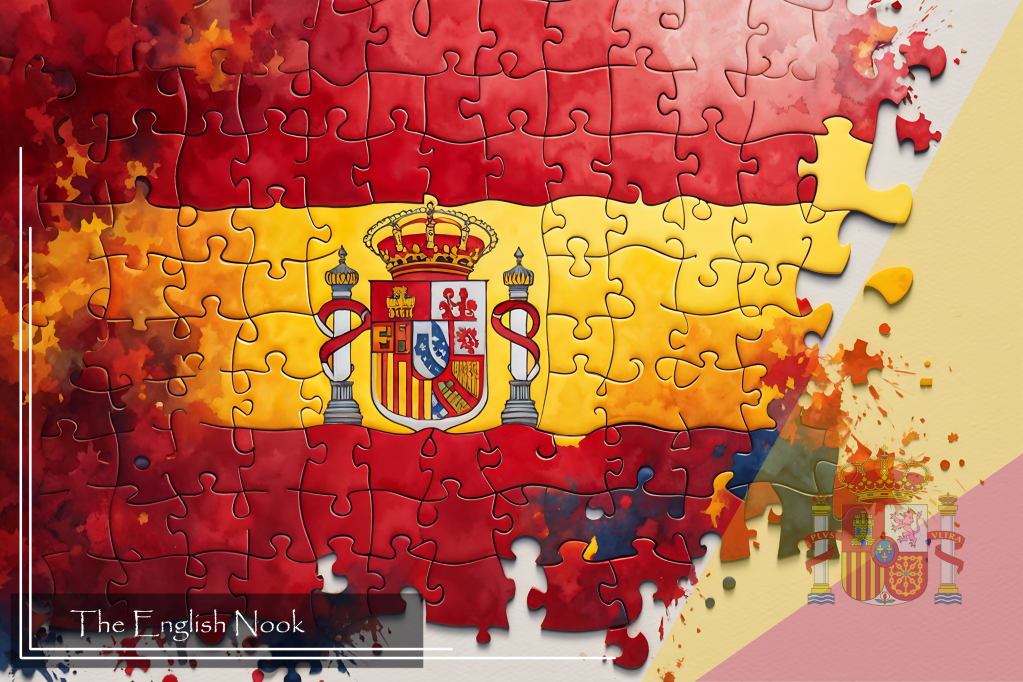
History, Challenges, and Rewards
Learning Spanish is a journey that is both rewarding and challenging. As one of the world’s most beautiful and widely spoken languages, Spanish boasts a rich history and cultural significance that dates back centuries. Originating from the Iberian Peninsula, Spanish evolved from Latin and spread across the globe during the age of exploration and colonization. Today, it is the official language in 20 countries and is spoken by over 460 million people worldwide.
Mastering Spanish not only opens doors to new communication possibilities but also provides a deeper understanding of diverse cultures and traditions. However, the path to fluency is not without its difficulties. From pronunciation and grammar to vocabulary and cultural nuances, learners face various obstacles. Yet, with dedication, the right resources, and a strategic approach, these challenges can be overcome, making the journey of learning Spanish both fulfilling and enriching.
Pronunciation Challenges
One common challenge is pronunciation. Spanish includes sounds that may not exist in a learner’s native language, such as the rolled “r” and the throaty “j.” These sounds can be tough to produce accurately and often require significant practice.
Tip: Use language apps and practice with native speakers to improve your pronunciation.
Grammar Hurdles
Grammar is another hurdle. Spanish grammar is complex, with verb conjugations, gendered nouns, and intricate sentence structures. For English speakers, grasping the concept of gendered nouns—where even inanimate objects are classified as masculine or feminine—can be particularly challenging.
Common Mistake: Mixing up masculine and feminine nouns. Practice by labeling household items with their Spanish gender.
Vocabulary Acquisition
Vocabulary acquisition also presents difficulties. While Spanish shares many cognates with English, there are also false cognates that look similar but have different meanings. Additionally, regional variations in vocabulary and slang can confuse learners exposed to different dialects.
Interesting Fact: Spanish is the second most spoken language in the world by native speakers, making it a valuable language to learn.
Cultural Nuances
Cultural differences and nuances add another layer of complexity. Language is deeply intertwined with culture, and understanding Spanish goes beyond just learning words and phrases. To communicate effectively, learners must also grasp the cultural context in which the language is used.
Cultural Insight: Exploring Spanish-speaking countries like Spain, Mexico, and Chile can provide a deeper understanding of diverse traditions, cuisines, and festivals.
Maintaining Motivation
Maintaining motivation and consistency can be tough. Learning a language requires dedication and practice over an extended period. It’s easy to get discouraged or lose interest, especially when progress feels slow.
“One language sets you in a corridor for life. Two languages open every door along the way.” – Frank Smith
The Rewards
Despite these challenges, learning Spanish opens up a world of opportunities for communication, travel, and cultural enrichment. With patience, perseverance, and the right resources, anyone can overcome these difficulties and become proficient in this beautiful language.
Many people have found that learning Spanish has opened up new career opportunities, allowed them to form meaningful relationships, and enriched their travel experiences.
Practical Tips
- Practice Regularly: Engage with native speakers through language exchange platforms.
- Use Language Apps: Tools like Duolingo or Babbel can reinforce grammar and vocabulary.
- Immerse Yourself: Watch Spanish movies, listen to Spanish music, and read Spanish books to enhance your listening and comprehension skills.
Encouraging Statistics or Facts
- Global Reach: Spanish is the second most spoken language in the world by native speakers, with over 460 million people using it daily.
- Career Opportunities: Knowing Spanish can increase job prospects in international business, travel, and diplomacy.
Cultural Insights
- Festivals and Traditions: Experience vibrant events like Spain’s La Tomatina, Mexico’s Dia de los Muertos, and Argentina’s Tango Festival.
- Cuisine: Delight in regional dishes such as Spanish paella, Mexican tacos, and Chilean empanadas, which offer a taste of the culture and history.
Common Mistakes to Avoid
- Gender Confusion: Remember that nouns in Spanish have genders. Practice identifying and using them correctly.
- False Cognates: Be cautious with words that look similar to English words but have different meanings, like “embarazada” (pregnant) instead of “embarrassed.”
Learning Spanish is a multifaceted journey filled with both rewards and challenges. Its rich historical roots and widespread global presence make it an incredibly valuable and enriching language to learn. While the path to fluency involves overcoming hurdles like pronunciation, grammar intricacies, vocabulary nuances, and cultural understanding, the rewards far outweigh the difficulties. Mastering Spanish opens up new avenues for communication, cultural appreciation, and professional opportunities. With dedication, consistent practice, and the right resources, anyone can navigate the complexities of Spanish and enjoy the profound personal and societal benefits that come with learning this beautiful language.
Embrace the challenge, unlock the world—master Spanish and let every word open a new door!
If you’ve read everything, please consider leaving a like, sharing, commenting, or all three!
Need some help with your Spanish journey? Go to the contact area and send me a message; I’ll get back to you as soon as possible!
YOU WILL ALSO LIKE:







 The English Nook
Leave a comment