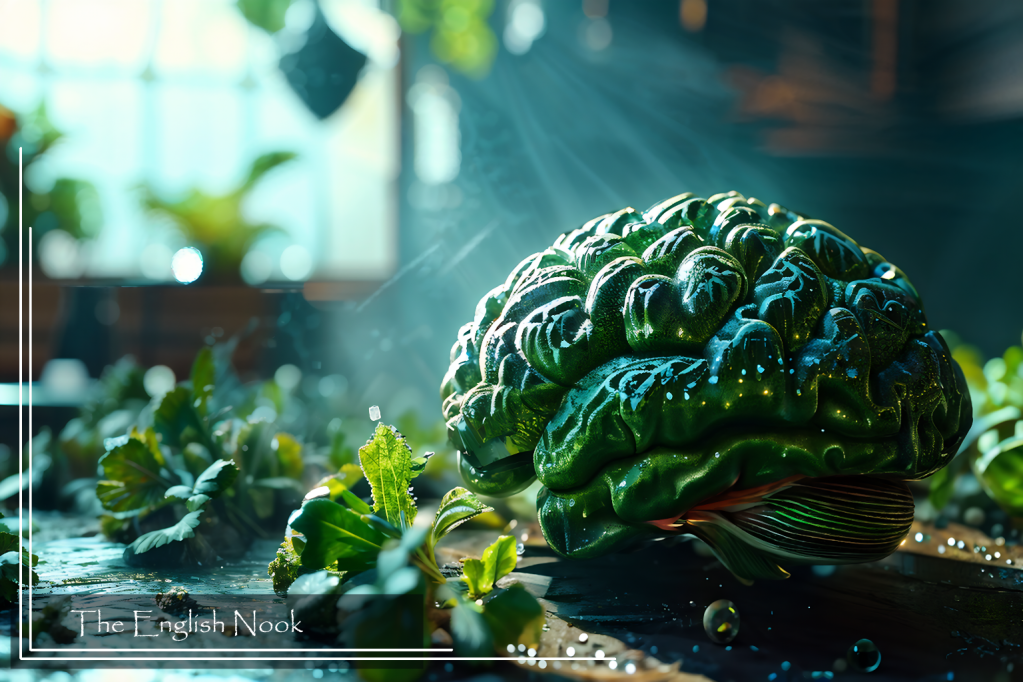
Nourishing the Mind
A balanced nutrition is paramount for maintaining overall health, and its impact on brain function is particularly profound. The brain, an energy-intensive organ, relies on a constant supply of nutrients to function optimally. Essential nutrients not only fuel cognitive processes but also support neurogenesis, neurotransmitter synthesis, and protect against oxidative stress. A well-balanced diet can enhance language learning, improve memory, and boost overall brain activity. Conversely, poor nutrition can impair cognitive functions, slow brain development, and increase the risk of neurodegenerative diseases. Understanding the connection between diet and brain health is crucial for promoting cognitive longevity and enhancing mental performance across all stages of life.
Essential Nutrients and Their Role in Brain Health
A nutrient-rich diet significantly impacts brain function, supporting cognitive processes, mental health, and overall neurological well-being. Here’s a deeper dive into how specific nutrients and antioxidants benefit brain health:
Omega-3 Fatty Acids
Sources: Fish (like salmon, mackerel, and sardines), flaxseeds, chia seeds, walnuts, and certain algae.
Benefits: Omega-3 fatty acids, particularly DHA (docosahexaenoic acid) and EPA (eicosapentaenoic acid), are crucial for brain development and function. They are integral components of cell membranes in the brain, promote neuronal growth, and help maintain synaptic plasticity, which is essential for learning and memory. Additionally, omega-3s have anti-inflammatory properties that protect the brain from damage and may reduce the risk of neurodegenerative diseases like Alzheimer’s and Parkinson’s.
B Vitamins (B6, B12, and Folic Acid)
Sources:
- B6: Poultry, fish, potatoes, chickpeas, bananas.
- B12: Meat, fish, dairy products, eggs, fortified cereals.
- Folic Acid: Leafy green vegetables, legumes, nuts, and fortified grains.
Benefits: These vitamins are vital for cognitive function and brain health.
- Vitamin B6 is involved in neurotransmitter synthesis, affecting mood regulation and cognitive function.
- Vitamin B12 is crucial for maintaining the myelin sheath, which insulates nerve fibers and enhances signal transmission. Deficiencies in B12 can lead to memory loss, confusion, and even depression.
- Folic Acid is essential for DNA synthesis and repair, and its deficiency is linked to cognitive decline and increased risk of dementia. It works synergistically with B12 in reducing homocysteine levels, high levels of which are associated with an increased risk of cognitive impairment and neurodegenerative diseases.
Role of Antioxidants in Brain Health
Sources: Fruits (berries, oranges, grapes), vegetables (spinach, kale, carrots), nuts, seeds, and beverages like green tea.
Benefits: Antioxidants protect the brain from oxidative stress, which occurs when there is an imbalance between free radicals and antioxidants in the body. Oxidative stress can damage cells, proteins, and DNA, contributing to aging and neurodegenerative diseases.
Specific Antioxidants
- Vitamin E: Found in nuts, seeds, and green leafy vegetables, Vitamin E is a powerful antioxidant that helps protect brain cells from oxidative damage and may slow cognitive decline.
- Vitamin C: Present in high amounts in citrus fruits, strawberries, bell peppers, and broccoli, Vitamin C supports brain health by neutralizing free radicals and regenerating other antioxidants like Vitamin E.
- Polyphenols: These are abundant in foods like berries, tea, coffee, and dark chocolate. Polyphenols have been shown to improve cognitive function, protect against age-related cognitive decline, and enhance memory and learning by reducing inflammation and oxidative stress.
Practical Dietary Tips for Brain Health
- Include Fatty Fish: Incorporate fish like salmon or sardines into your diet at least twice a week to boost omega-3 intake.
- Eat a Rainbow of Fruits and Vegetables: Aim for a variety of colors in your produce to ensure a diverse intake of antioxidants and other essential nutrients.
- Choose Whole Grains: Foods like oats, brown rice, and whole wheat products are good sources of B vitamins.
- Snack on Nuts and Seeds: A handful of walnuts, almonds, or flaxseeds can provide a good mix of omega-3s, vitamin E, and other beneficial compounds.
- Stay Hydrated with Tea: Green tea is rich in antioxidants and can be a healthy alternative to sugary drinks.
Final Thoughts on Brain-Boosting Nutrition
The connection between diet and brain health is undeniable. A nutrient-rich diet plays a pivotal role in supporting cognitive function, mental health, and overall neurological well-being. Essential nutrients like omega-3 fatty acids and B vitamins are critical for brain development, neurotransmitter synthesis, and the maintenance of neural structures. Meanwhile, antioxidants such as vitamins E and C, and polyphenols, offer protection against oxidative stress, thereby preserving brain cells and enhancing cognitive functions.
Incorporating specific foods into your diet can have a significant impact on brain health. Fatty fish provides a rich source of omega-3 fatty acids, which are crucial for maintaining synaptic plasticity and protecting against neurodegenerative diseases. Consuming a variety of colorful fruits and vegetables ensures a diverse intake of antioxidants, which combat oxidative damage and support overall brain function. Whole grains offer B vitamins that are essential for energy production and neural health, while nuts and seeds supply a mix of beneficial nutrients including omega-3s and vitamin E.
Practical dietary changes can make a substantial difference. Including fatty fish in your meals at least twice a week, snacking on nuts and seeds, choosing whole grains, and staying hydrated with antioxidant-rich beverages like green tea are simple yet effective strategies to boost brain health. Additionally, ensuring an adequate intake of vitamins B6, B12, and folic acid can help maintain cognitive function and reduce the risk of cognitive decline.
By understanding and implementing these dietary recommendations, you can support cognitive longevity and enhance mental performance across all stages of life. Prioritizing brain-boosting nutrition not only promotes better brain health but also contributes to overall well-being and quality of life.
Nourish your mind, fuel your future!
If you’ve read everything, please consider leaving a like, sharing, commenting, or all three!
YOU WILL ALSO LIKE:






 The English Nook
Leave a comment