The Technological Revolution in Language Learning: Unveiling the Impact of Apps, Online Courses, and Virtual Reality
In the fast-paced digital age, technology has become an inseparable companion in almost every aspect of our lives. Language learning, once confined to traditional classrooms and textbooks, has undergone a transformative revolution through the integration of cutting-edge technologies. From innovative language learning apps to interactive online courses and the immersive experiences offered by virtual reality, technology has opened up new avenues and possibilities, reshaping the landscape of language education. This exploration delves into the profound impact of technology on language learning, examining how it has revolutionized the methods, accessibility, and outcomes of language acquisition.
1. Accessibility and Convenience:
One of the most revolutionary aspects of technology in language learning is the unprecedented accessibility it provides. Language learning apps, such as Duolingo, Babbel, and Rosetta Stone, have democratized education by placing language lessons at the fingertips of users worldwide. Learners can now carry a virtual language tutor in their pockets, enabling them to practice vocabulary, grammar, and pronunciation at their own pace and convenience. Online courses offered by platforms like Coursera, Udemy, and Khan Academy further enhance accessibility, allowing learners to engage in structured lessons from the comfort of their homes. This accessibility is particularly beneficial for those with busy schedules, making language learning a feasible pursuit for a diverse range of individuals.
2. Personalized Learning Paths:
Technology has ushered in an era of personalized learning, tailoring language education to individual preferences and proficiency levels. Language learning apps utilize algorithms and artificial intelligence to adapt to users’ strengths and weaknesses, offering personalized exercises and feedback. This adaptive learning approach ensures that learners progress at their own speed, reinforcing areas that require more attention while allowing swift advancement in areas of strength. The result is a more efficient and tailored language learning experience, where each learner’s journey is unique and optimized for maximum retention and comprehension.
3. Gamification and Engagement:
The integration of gamification elements in language learning apps has redefined the learning experience, transforming it into an engaging and interactive process. Apps like Memrise and Quizlet employ game-like features such as points, rewards, and competitive challenges to motivate learners. This gamified approach not only enhances motivation but also fosters a sense of enjoyment in the learning process. Virtual rewards, progress tracking, and friendly competition create a dynamic and immersive language learning environment, turning what could be a mundane task into an exciting and rewarding adventure.
4. Interactive and Immersive Learning:
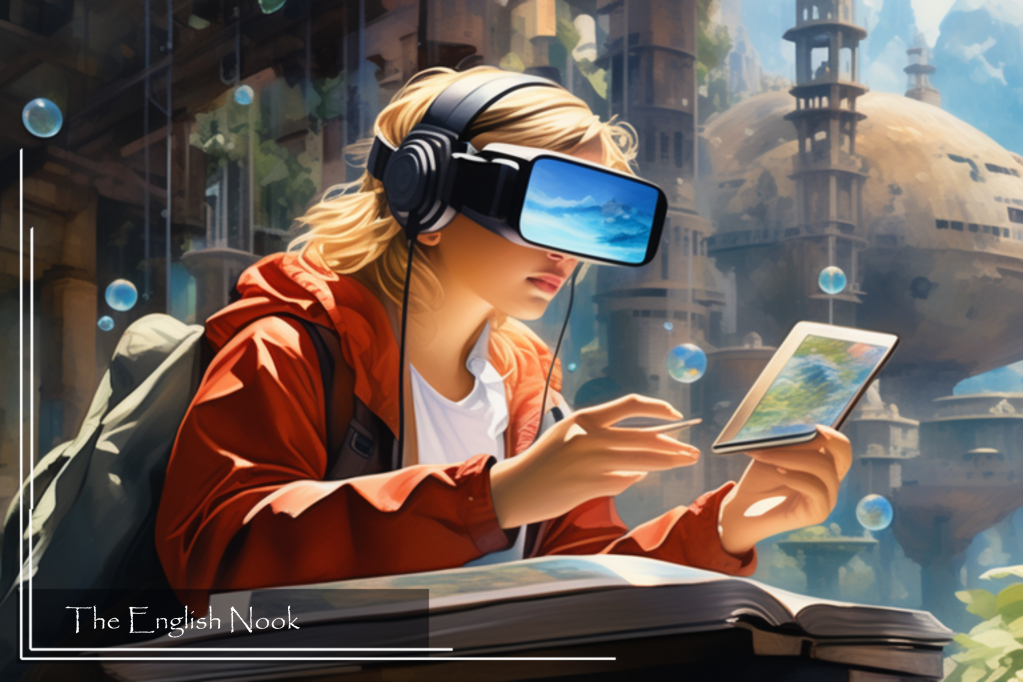
Virtual reality (VR) has emerged as a groundbreaking tool in language education, offering immersive experiences that transcend traditional learning methods. VR platforms like MondlyVR and ImmerseMe allow learners to step into virtual environments where they can interact with native speakers, navigate real-life scenarios, and practice language skills in context. This immersive approach enhances not only language proficiency but also cultural understanding. Learners can virtually explore foreign cities, participate in conversations with virtual characters, and develop practical language skills in a simulated yet authentic setting, bridging the gap between theory and real-world application.
5. Global Collaboration and Cultural Exchange:
The digital era has facilitated unprecedented global collaboration and cultural exchange in language learning. Online language exchange platforms, such as Tandem and HelloTalk, connect learners with native speakers worldwide for language practice. This real-time interaction transcends geographical boundaries, providing learners with authentic language exposure and cultural insights. Additionally, collaborative online projects and forums enable learners to engage with a global community, share experiences, and learn from diverse perspectives. The result is a richer, more dynamic language learning experience that goes beyond the confines of traditional classroom settings.
6. Continuous Learning and Progress Tracking:
Technology has introduced tools for continuous learning and progress tracking, empowering learners to take control of their language acquisition journey. Apps and online courses often feature built-in progress trackers, allowing learners to monitor their advancements, set goals, and celebrate achievements. This transparent and measurable approach to learning not only boosts motivation but also provides valuable insights into areas that may require additional attention. Learners can revisit lessons, track vocabulary expansion, and gauge their proficiency levels, fostering a sense of accountability and ownership over their language learning endeavors.
7. Overcoming Language Learning Challenges:
Technology has addressed and mitigated traditional challenges in language learning. Pronunciation, often a stumbling block, is now tackled through apps that utilize speech recognition technology. Learners receive instant feedback on their pronunciation, allowing them to refine their skills continuously. Moreover, the fear of making mistakes is alleviated in the digital realm, where learners can practice in a low-pressure environment, gradually building confidence before engaging in real-life conversations.
In conclusion, the impact of technology on language learning is nothing short of revolutionary. From reshaping the accessibility and convenience of language education to introducing personalized learning paths, gamification, and immersive experiences through virtual reality, technology has elevated language learning to new heights. As learners embrace these technological advancements, the once-daunting journey of acquiring a new language becomes a dynamic, engaging, and culturally enriching experience. The fusion of technology and language learning is not merely a trend; it is a transformative force shaping the future of education and paving the way for a more interconnected, accessible, and inclusive approach to language acquisition.




 The English Nook
Leave a comment